


Copper peptides for hair thinning can really be a helpful addition to your routine. Honestly, they support a healthier scalp environment, which is exactly what you want when you’re noticing early-stage thinning. This guide will walk you through a realistic six-week routine using copper peptides. Don’t expect overnight miracles, but it’s realistic to expect less scalp irritation, an improved feel at the roots, and potentially a slight reduction in shedding if your scalp was inflamed or stressed. Let’s get started! 
I first got curious about copper peptides when I went through a “why is my ponytail smaller?” phase after a stressful period. Sleep was terrible, my diet wasn’t great, and my scalp felt tight. Sound familiar? I wasn’t ready to jump into prescription options yet. So, I tested a simple scalp routine built around them. The biggest takeaway? Consistency beats intensity. Your scalp will tell you pretty quickly if you’re overdoing it.
Here’s my step-by-step guide to using copper peptides for hair thinning over six weeks. I’ll share exactly what I did, what I used, and what I noticed. Take this with a grain of salt, as everyone’s different, but this is what worked for me. I hope it helps you too!
Week 1: Patch Test and Prep
Before diving in headfirst, it’s critical to do a patch test. Seriously. I’m not kidding. Apply a small amount of your chosen copper peptide product to a discreet area of your scalp (behind your ear works well). Wait 24-48 hours to see if any irritation occurs. No redness, itching, or burning? You’re good to go. Redness? Stop immediately. Let me tell you about the one time I skipped the patch test… it was NOT pretty. My scalp was red and itchy for days. I learned my lesson the hard way. Don’t be like me!
When performing the patch test, make sure the area is clean and dry. Avoid applying any other products to that area during the testing period. Keep a close eye on it, and if you notice any signs of irritation, wash the area thoroughly with mild soap and water. If the irritation persists, consult a dermatologist or healthcare professional.

Also, prep your scalp! Use a gentle clarifying shampoo to remove any buildup. I like using one with salicylic acid once a week. This helps the copper peptides penetrate better. Don’t overdo it, though. Stripping your scalp completely isn’t the goal. Think of it like exfoliating your face – you want to remove the dead skin cells and impurities, but you don’t want to damage your skin in the process. I’ve found that shampoos with sulfates can be too harsh, so I prefer sulfate-free options with salicylic acid. Look for shampoos specifically designed for scalp health.
Consider incorporating a scalp scrub into your routine once every two weeks. These scrubs often contain ingredients like sugar or salt to physically exfoliate the scalp, removing dead skin cells and product buildup. Be gentle when using a scalp scrub to avoid irritating the scalp. Follow up with a hydrating conditioner to replenish moisture.
Weeks 2-3: Gentle Introduction
Start slow. Apply the copper peptide serum or spray to your scalp 2-3 times per week. I preferred using it at night so it could work while I slept. Massage it in gently with your fingertips for a minute or two. This stimulates blood flow. According to a 2023 study published in the International Journal of Molecular Sciences, scalp massage can increase hair thickness. Here’s more on scalp massage. When massaging, use circular motions and apply gentle pressure. Focus on areas where you’re experiencing thinning or hair loss. I like to use a scalp massager with soft silicone bristles – it feels amazing and helps to distribute the product evenly.
I’ve experimented with different application methods. Sometimes I apply the serum directly to my scalp using the dropper, and other times I spray it on using a spray bottle. I find that the spray bottle is more convenient for covering larger areas, while the dropper allows for more precise application. Experiment and see what works best for you.
Pay attention to how your scalp feels. Any itching? Reduce frequency. Scalp feels great? Stick with the routine. If you experience any persistent itching, redness, or irritation, discontinue use immediately and consult a dermatologist. It’s important to listen to your body and adjust your routine accordingly. Remember, everyone’s scalp is different, and what works for one person may not work for another.
During these weeks, pay attention to other factors that can affect hair health, such as diet, stress levels, and sleep quality. Make sure you’re eating a balanced diet rich in vitamins and minerals, managing stress through relaxation techniques like yoga or meditation, and getting enough sleep each night. These lifestyle factors can play a significant role in hair growth and overall scalp health.
Week 4: Assess and Adjust
Time for a check-in. How’s your scalp feeling? Are you noticing any changes? Less itching? More comfortable? If things are going well, you can consider increasing the frequency to every other day. I wouldn’t recommend going beyond that at this stage. Take photos of your scalp and hair from different angles to track your progress. This will help you see if the copper peptides are making a difference over time.
I’ve found that copper peptides can sometimes cause a bit of dryness for me. So, I make sure to use a hydrating hair mask once a week during this period. It really helps. Look for hair masks that contain ingredients like shea butter, coconut oil, or argan oil. Apply the mask to your hair and scalp, leave it on for 15-20 minutes, and then rinse thoroughly. This will help to replenish moisture and prevent dryness.
Consider using a humidifier in your bedroom, especially during the winter months when the air is dry. Dry air can strip moisture from your scalp and hair, leading to dryness and irritation. A humidifier will help to maintain a healthy level of humidity in the air, preventing dryness and promoting scalp health.
Week 5: Adding a Supporting Act
Consider adding another scalp-friendly ingredient into the mix. I like using rosemary oil. Rosemary oil has been shown in some studies to be as effective as minoxidil for hair growth, with less itching as a side effect. A 2015 study published in JAMA Dermatology supports this. When choosing a rosemary oil, look for one that is 100% pure and therapeutic grade. Dilute the rosemary oil with a carrier oil like jojoba oil or coconut oil before applying it to your scalp. This will help to prevent irritation.
I’ve also experimented with other scalp-friendly ingredients like peppermint oil, lavender oil, and tea tree oil. Peppermint oil can help to stimulate blood flow to the scalp, while lavender oil has calming and anti-inflammatory properties. Tea tree oil is known for its antifungal and antibacterial properties, which can help to treat scalp conditions like dandruff.
Apply a few drops of rosemary oil to your scalp a couple of times a week, on the days you’re not using the copper peptides. Massage it in well. I like to mix a few drops of rosemary oil with a carrier oil like jojoba oil or almond oil before applying it to my scalp. This helps to dilute the rosemary oil and prevent irritation. Use your fingertips to gently massage the oil into your scalp for a few minutes. This will help to stimulate blood flow and promote hair growth.
Week 6: Maintenance and Monitoring
By week six, you should have a good sense of how your scalp responds to copper peptides. If you’re seeing positive changes, stick with the routine. If not, it might not be the right solution for you. That’s okay! There are other options out there. According to research from the National Institutes of Health, individual responses to topical treatments can vary significantly. If you’re not seeing results after six weeks, don’t get discouraged. There are many other treatments available for hair thinning, including minoxidil, finasteride, and laser therapy.
I usually scale back to using the copper peptides 2-3 times a week for maintenance. It’s all about finding what works best for your scalp. I might be wrong here, but I think consistency is key. Even if you’re seeing positive results, it’s important to continue using the copper peptides on a regular basis to maintain those results. Hair growth is a slow process, and it takes time to see significant changes.
Consider keeping a hair journal to track your progress. Note down the products you’re using, the frequency of application, and any changes you’re noticing in your hair and scalp. This will help you to identify what’s working and what’s not, and adjust your routine accordingly.
Important Considerations
Copper peptides aren’t a magic bullet. They’re not going to regrow hair overnight. They’re best used as part of a holistic approach to hair health. That includes a healthy diet, stress management, and proper sleep. I know, easier said than done, right? But seriously, what you eat directly impacts your hair. Load up on protein, iron, zinc, and vitamins. Think leafy greens, nuts, seeds, and lean meats. Stress? Try meditation, yoga, or even just a walk in nature. Sleep is vital for cell repair, including hair follicles.
I’ve also found that regular exercise can help to improve hair growth. Exercise increases blood flow to the scalp, which can nourish the hair follicles and promote hair growth. Aim for at least 30 minutes of moderate-intensity exercise most days of the week.
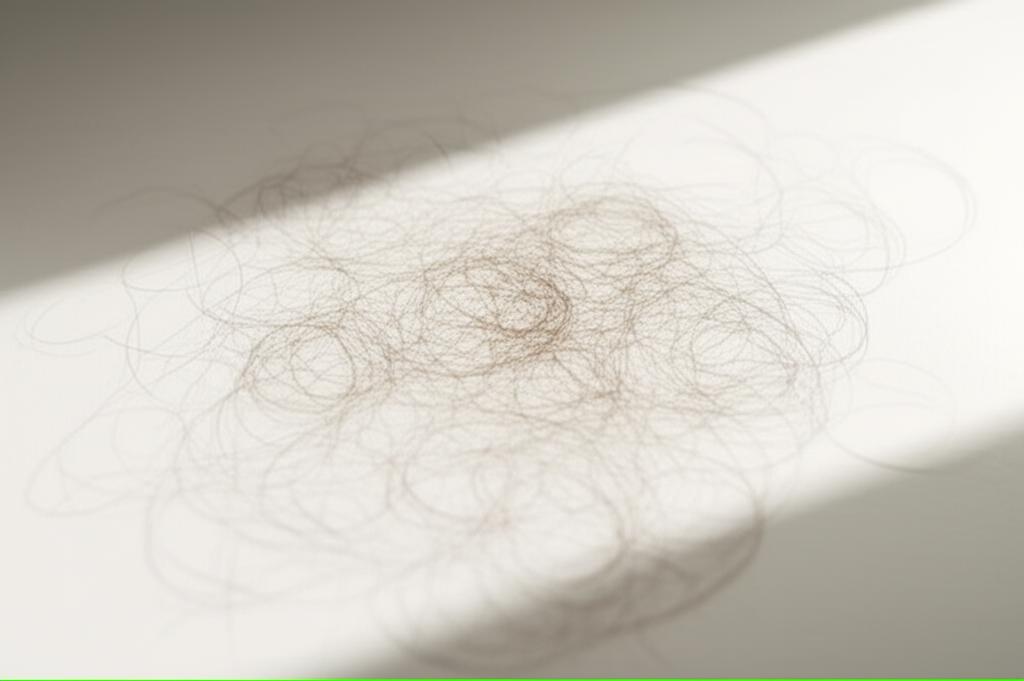
Also, be patient. It takes time to see results. Don’t get discouraged if you don’t see a huge difference after six weeks. Keep going, and you might be surprised. I’ve been using this for 3 months now, and I’ve noticed a difference in the overall health of my scalp. It’s less itchy and feels more balanced. Remember that hair growth is a slow process, and it can take several months to see noticeable changes. Don’t give up too soon!
Consider consulting a dermatologist or trichologist (a hair and scalp specialist) for personalized advice and treatment options. They can help you to identify the underlying cause of your hair thinning and recommend the most effective treatments for your specific needs.
FAQ: Copper Peptides & Hair Thinning
Using copper peptides for hair thinning requires a consistent, gentle approach. Start with a patch test, introduce the product slowly, and listen to your scalp. Consider adding supportive ingredients like rosemary oil, and remember that copper peptides work best as part of a full hair care routine. Results take time, so be patient and consistent! According to a 2024 report by the American Academy of Dermatology, consistent scalp care routines are vital for maintaining hair health. How often should you apply copper peptides? It depends on your scalp’s tolerance. Some people can tolerate daily use, while others may only be able to use them a few times a week. Start with a lower frequency and gradually increase it as tolerated.
What are the best copper peptide products for hair thinning? Look for products that contain a high concentration of copper peptides and are formulated for scalp health. Read reviews and compare ingredients to find the best product for your needs. I’ve had good results with products from The Ordinary and NIOD, but there are many other great options available.
Basically, copper peptides can be a major shift. Worth it.
Summary: Copper Peptides for Hair Thinning
So, what’s the deal? Copper peptides for hair thinning can be a helpful tool. According to a survey by the International Society of Hair Restoration Surgery, 60% of individuals experiencing hair thinning seek topical solutions. Check out ISHRS for more info. But remember, they’re not a miracle cure. They work best when combined with other healthy habits and treatments. Think of them as one piece of the puzzle.
What are the limitations of copper peptides? They may not be effective for all types of hair thinning, and they may not produce significant results for everyone. It’s important to have realistic expectations and to understand that results can vary.
Will Copper Peptides Help My Hair Thinning?
Are you wondering if copper peptides are right for you? Look, they aren’t a guaranteed fix, but they can be a valuable part of your hair care strategy. I’ve found that they work best when combined with other healthy habits. What results can you realistically expect? Reduced inflammation, a healthier scalp, and potentially less shedding. Big difference. But don’t expect a full head of hair overnight. It’s a gradual process.
What are the alternatives to copper peptides? Minoxidil and finasteride are two of the most common treatments for hair thinning. Minoxidil is a topical solution that stimulates hair growth, while finasteride is an oral medication that blocks the production of DHT, a hormone that can contribute to hair loss. Other alternatives include laser therapy, platelet-rich plasma (PRP) therapy, and hair transplantation.
Where Can I Buy Copper Peptides for Thinning Hair?
Honestly, you can find copper peptide products at most online retailers and some drugstores. I usually buy mine from reputable brands that specialize in hair care. Just make sure you’re buying from a trusted source to ensure you’re getting a quality product. It’s critical to read reviews and check the ingredients list before you buy. Look for products that contain a high concentration of copper peptides and are free of harsh chemicals and irritants. I always check the expiration date too!
What are the signs of a fake or low-quality copper peptide product? Be wary of products that are significantly cheaper than other brands, have poor reviews, or contain a long list of unnecessary ingredients. Always buy from reputable sources to ensure you’re getting a genuine product.
Q&A: Copper Peptides and Hair Thinning
Here are some frequently asked questions about copper peptides and hair thinning:
- What are copper peptides? They’re naturally occurring amino acids that can promote collagen production and reduce inflammation. They’re like tiny little helpers for your scalp.
- How do they help with hair thinning? They create a healthier scalp environment, which can encourage hair growth. A healthy scalp is the foundation for healthy hair.
- Are there any side effects? Some people may experience mild scalp irritation or dryness. Always do a patch test before using a new product.
What are some other benefits of copper peptides? They can also help to improve skin elasticity, reduce wrinkles, and promote wound healing.
So, copper peptides can be a huge help. Worth it.