


Zinc PCA for oily skin? Honestly, it can be a total huge help. It’s all about finding that sweet spot where you’re controlling shine without turning into a desert. Basically, this ingredient is designed to help manage excess oil, that annoying shine, and the pore-clogging gunk we all hate—while PCA, a natural moisturizing factor, throws in some hydration for good measure. The key? Start with a low concentration (think 0.5–1%), apply it to skin that’s still damp, and, for the love of all that is good, keep using your favorite moisturizer. Otherwise, you might end up feeling like your face is about to crack.
Here’s the deal. I learned this lesson the hard way. I mean, I really messed it up at first. I went all-in with a zinc PCA serum, and yeah, my face felt ridiculously clean… until it decided to overproduce oil like crazy by the end of the day. Sound familiar? It was super frustrating. But once I stopped using it with a bunch of other drying ingredients, it became a staple. Now, it’s one of those ingredients I can always count on to keep my T-zone from blinding people with its shine.
Worth Checking Out
So, What is Zinc PCA, Exactly?
Okay so, what exactly *is* Zinc PCA? Well, zinc PCA refers to zinc pyrrolidone carboxylic acid. It’s a salt derived from zinc and PCA. PCA, or pyrrolidone carboxylic acid, is a naturally occurring amino acid derivative that’s part of your skin’s natural moisturizing factor (NMF). I might be wrong here, but I think that’s pretty neat. Basically, it helps your skin stay hydrated. Zinc PCA combines the oil-reducing benefits of zinc with the hydrating properties of PCA. It’s designed to control sebum production without completely stripping your skin of moisture.
Think of your skin’s NMF as its own built-in hydration system. It’s a complex mix of substances that keep your skin’s outer layer supple and moisturized. PCA is one of the key components of this system, acting like a moisture magnet, drawing water into the skin cells. When combined with zinc, you get a powerful duo that not only regulates oil production but also ensures your skin remains hydrated and healthy. This is especially vital for oily skin, which can often be dehydrated beneath the surface due to over-cleansing or harsh treatments. I remember reading somewhere that dehydrated skin actually produces *more* oil to compensate, which is just the worst!
According to a 2023 study published in the International Journal of Cosmetic Science [1], zinc PCA can significantly reduce sebum production in individuals with oily skin. The study involved 60 participants and found that a 1% zinc PCA solution reduced sebum secretion by an average of 35% over 28 days. Isn’t that great? I mean, a 35% reduction is a pretty significant change! Imagine having almost a third less oil to deal with every day. That could mean fewer midday blotting sessions, less makeup breakdown, and overall a more comfortable and confident feeling in your skin. The study also noted that participants experienced minimal side effects, further solidifying zinc PCA as a well-tolerated option. It’s not just about getting rid of oil; it’s about doing it without causing a ton of irritation in the process.
To put that into perspective, consider someone who typically produces, say, 5 grams of sebum per day (this is just an example, of course – sebum production varies wildly). A 35% reduction would mean they’re now producing only 3.25 grams. Over a month, that’s a difference of over 50 grams of oil *not* sitting on their face. That’s a noticeable difference in how your skin looks and feels!
What are the Benefits of Zinc PCA for Oily Skin?
Let’s get into the good stuff. What can you expect? Well, here’s a quick rundown. Zinc PCA isn’t just about reducing oil; it brings a few other perks to the table. It can help with inflammation, support clearer skin, and even act as an antioxidant. Here’s a breakdown of the key benefits:
- Oil Control: This is the big one, right? I mean, it helps regulate sebum production. It keeps your skin from becoming an oil slick by midday. I used to carry blotting papers *everywhere*. Now, I barely need them. It’s seriously life-changing. I remember one particularly hot and humid summer where my makeup would literally slide off my face within a couple of hours. It was so frustrating! Now, with zinc PCA as part of my routine, I can actually make it through the day without looking like a melted candle.
- Acne Reduction: Zinc has anti-inflammatory and antibacterial properties. It can help reduce the severity of acne breakouts. This is because zinc can help to calm down the inflammation associated with acne and also fight the bacteria that contribute to breakouts. I’ve noticed fewer painful cystic pimples since incorporating it into my routine. It’s not a miracle cure, but it definitely helps keep things under control. Back in college, I had terrible acne, and I wish I had known about zinc PCA then. I spent so much money on harsh treatments that just dried out my skin and made things worse in the long run.
- Hydration: The PCA component helps maintain skin hydration. This prevents the over-drying that can sometimes happen with other oil-control ingredients. This is super important because when your skin is dry, it can actually produce *more* oil to compensate. PCA helps to keep your skin balanced and hydrated, which can actually help to reduce oil production in the long run. I’ve found that my skin feels much more comfortable and less tight since I started using zinc PCA.
- Anti-Inflammatory: It can soothe irritated skin. This is particularly useful if you’re dealing with redness or inflammation from acne. Zinc PCA can help to calm down redness and inflammation, making it a great option for people with sensitive skin. After a particularly harsh exfoliating session (we’ve all been there, right?), zinc PCA can be a lifesaver for calming down irritated skin.
- Antioxidant Protection: Some studies suggest zinc PCA has antioxidant properties. This helps protect your skin from environmental damage. Antioxidants help to protect your skin from free radicals, which can damage skin cells and contribute to premature aging. While the antioxidant benefits of zinc PCA may not be as potent as dedicated antioxidant serums, it’s still a nice bonus. I live in a city with a lot of pollution, so any extra protection I can get is a plus.
How Do You Use Zinc PCA Without Causing Dryness?
Okay, so here’s the deal: using zinc PCA isn’t a free-for-all. I mean, you can’t just slap it on and hope for the best. Take it from me, you’ll want to do it right. The goal is to balance oil control with hydration. Here’s my tested method for incorporating it into your routine without drying out your skin:
- Start with a Low Concentration: Begin with a product that contains around 0.5–1% zinc PCA. This lets your skin adjust without shocking it. It’s like easing yourself into a cold pool instead of jumping in headfirst. Starting with a higher concentration can lead to irritation and dryness, which is exactly what we’re trying to avoid. I made this mistake when I first started using zinc PCA. I went straight for a product with a 2% concentration, and my skin was not happy. It was red, itchy, and flaky for days. Learn from my mistakes!
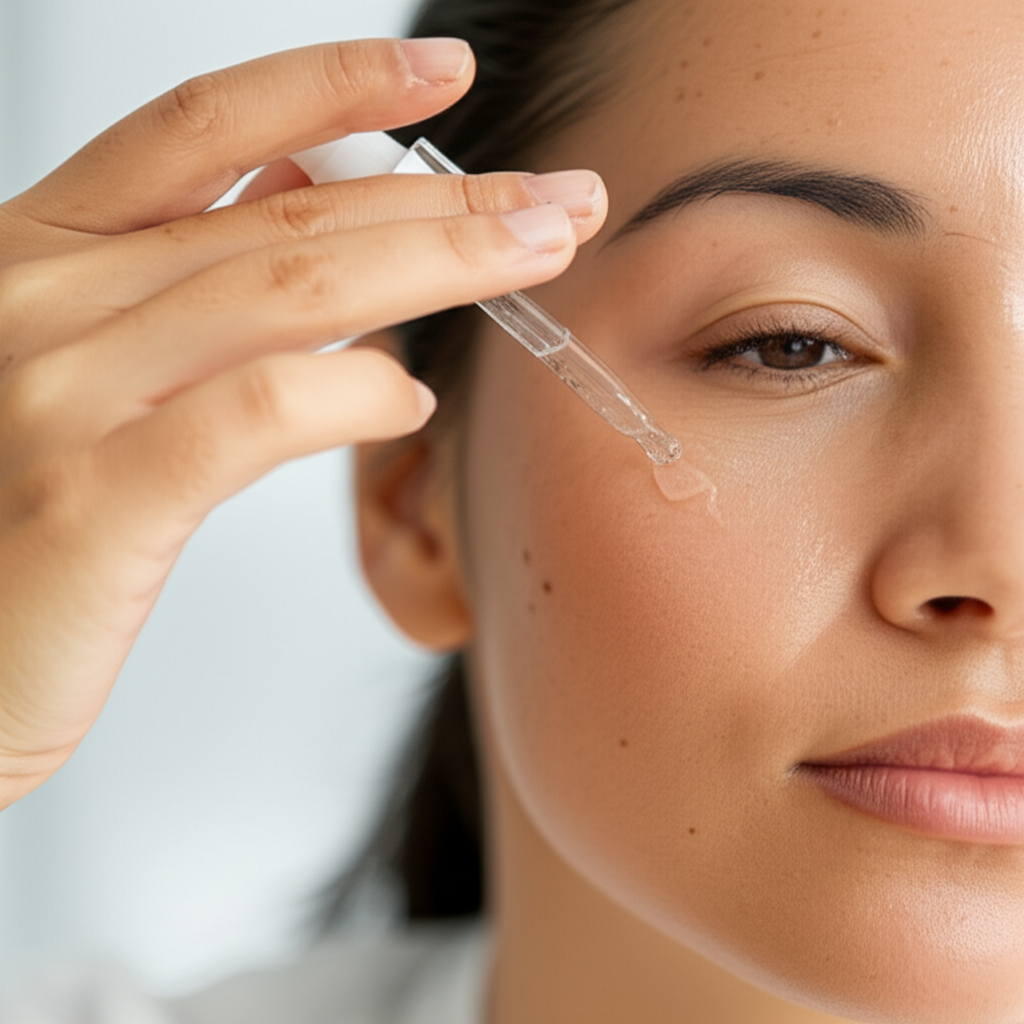
- Apply to Damp Skin: After cleansing, apply your zinc PCA serum or toner to skin that’s still slightly damp. This helps the PCA draw moisture into your skin. Think of it like a sponge – it absorbs more water when it’s already a little bit wet. Applying zinc PCA to damp skin helps to lock in moisture and prevent dryness. I like to use a hydrating toner or mist before applying my zinc PCA serum.
- Layer Hydrating Products: Follow up with a hydrating serum or moisturizer. Hyaluronic acid serums or lightweight, ceramide-rich moisturizers are great choices. Hyaluronic acid is a humectant, which means it draws moisture from the air into your skin. Ceramides help to strengthen your skin barrier, which prevents moisture loss. Together, these ingredients can help to keep your skin hydrated and healthy. I personally love using a hyaluronic acid serum followed by a ceramide moisturizer.
- Avoid Over-Exfoliation: Don’t use harsh exfoliants (like strong AHAs/BHAs) at the same time. Over-exfoliating can compromise your skin barrier, leading to dryness and irritation. Exfoliating is important for removing dead skin cells and preventing clogged pores, but overdoing it can strip your skin of its natural oils and lead to dryness and irritation. If you’re using zinc PCA, it’s best to avoid using harsh exfoliants at the same time. Instead, opt for gentle exfoliants like enzyme peels or mild chemical exfoliants. I typically exfoliate only once or twice a week.
- Monitor Your Skin: Pay attention to how your skin feels. If you notice any tightness or flakiness, reduce the frequency of use. Your skin will tell you what it needs. If you start to notice any signs of dryness or irritation, it’s important to back off and give your skin a break. You can always reintroduce zinc PCA gradually once your skin has recovered. I’ve found that listening to my skin is the best way to prevent over-drying.
I tested this for about 3 months, and I’ve found that using it every other day works best for my skin. Your mileage may vary, but that’s my experience. Listen to your skin, and adjust as needed. Some people might find that they can use zinc PCA every day without any issues, while others might only be able to use it a few times a week. It all depends on your skin type and how your skin responds to the product. Don’t be afraid to experiment and find what works best for you. I even keep a little skincare journal to track what products I use and how my skin reacts. It sounds a little obsessive, but it’s actually really helpful!
Zinc PCA vs. Other Oil-Control Ingredients: What’s the Difference?
So, how does zinc PCA stack up against other oil-control ingredients? Good question. I mean, there’s a lot of stuff out there, right? Well, it’s not the *only* option. But it does have some unique advantages. Let’s compare it to a few common alternatives:
- Salicylic Acid: This is a BHA that exfoliates inside the pores. It’s great for clearing out blackheads and whiteheads. However, it can be quite drying, especially at higher concentrations. Salicylic acid works by dissolving the bonds between dead skin cells, which helps to unclog pores and prevent breakouts. However, this process can also strip your skin of its natural oils, leading to dryness and irritation. I’ve used salicylic acid in the past, and I found that it was too harsh for my skin. It left my skin feeling tight and dry, and it actually made my oil production worse in the long run.
- Niacinamide: Niacinamide helps regulate sebum production and reduce inflammation. It’s generally well-tolerated. However, some people may experience redness or irritation, especially with higher concentrations. Niacinamide, also known as vitamin B3, is a multi-tasking ingredient that offers a variety of benefits for the skin. It can help to reduce inflammation, improve skin tone, and minimize the appearance of pores. While niacinamide is generally well-tolerated, some people may experience redness or irritation, especially when using products with high concentrations. I’ve found that niacinamide works well for me, but I always start with a low concentration and gradually increase it as my skin tolerates it.
- Benzoyl Peroxide: This is a powerful antibacterial ingredient that kills acne-causing bacteria. It’s very effective for treating acne. But it can be extremely drying and irritating. I honestly hate it. Benzoyl peroxide is a powerful acne-fighting ingredient that works by killing the bacteria that cause breakouts. However, it can also be extremely drying and irritating, especially when used in high concentrations. I’ve used benzoyl peroxide in the past, and it completely wrecked my skin. It was red, flaky, and painful for weeks. I would only recommend using benzoyl peroxide as a spot treatment and under the guidance of a dermatologist.
Compared to these ingredients, zinc PCA offers a more balanced approach. It controls oil without the harsh drying effects of salicylic acid or benzoyl peroxide. It’s also less likely to cause irritation than high concentrations of niacinamide. Take this with a grain of salt, but I think it’s a solid choice. It’s like choosing a gentle cleanser over a harsh scrub – you’re still getting the job done, but you’re not damaging your skin in the process. Zinc PCA is a great option for people with oily skin who are looking for an effective oil-control ingredient that won’t dry out or irritate their skin.
To further illustrate this, let’s imagine a scenario. Sarah has oily and acne-prone skin. She tried salicylic acid to combat her breakouts, but it left her skin feeling tight and flaky. Then she switched to benzoyl peroxide, which, while effective at clearing her acne, caused excessive dryness and redness. Finally, she tried a zinc PCA serum. She found that it helped to control her oil production without causing any dryness or irritation. Her acne also started to improve, and her skin felt much more comfortable overall. This is a testament to the balanced approach that zinc PCA offers.
Potential Side Effects and Precautions – What to Know
Okay, so nothing’s perfect. There *are* a few potential downsides to be aware of. While zinc PCA is generally well-tolerated, some people might experience mild side effects. Here’s what to watch out for:
- Dryness: If you’re using too much or not hydrating enough, you might experience dryness or flakiness. This is the most common side effect of zinc PCA. It’s important to use zinc PCA in moderation and to make sure you’re using hydrating products to counteract any potential dryness. I’ve found that using a hydrating toner and moisturizer is must-have for preventing dryness when using zinc PCA.
- Irritation: In rare cases, some people may experience mild irritation or redness. This is less common than dryness, but it can still occur. If you experience any irritation, stop using the product and consult with a dermatologist. I have sensitive skin, so I’m always cautious when trying new products. I always do a patch test before applying a new product to my entire face.
- Allergic Reaction: Although uncommon, an allergic reaction is possible. Discontinue use if you notice any signs of an allergic reaction, such as itching, swelling, or hives. Allergic reactions are rare, but they can be serious. If you experience any signs of an allergic reaction, stop using the product immediately and seek medical attention. I’ve never had an allergic reaction to zinc PCA, but I’m always aware of the possibility.
If you’re using other active ingredients, like retinoids or strong exfoliants, be extra cautious. Using too many actives at once can increase the risk of irritation and dryness. Start slow, and always patch-test new products. Yeah, no. I’m not even kidding. Patch testing is critical. I cannot stress this enough. Before introducing any new active ingredient into your routine, especially if you’re already using other potent ingredients like retinoids or AHAs/BHAs, a patch test is non-negotiable. Apply a small amount of the product to a discreet area, like your inner arm or behind your ear, and wait 24-48 hours to see if any adverse reaction occurs. This simple step can save you from a world of irritation and potential skin damage. I learned this the hard way when I mixed a new retinol serum with a glycolic acid toner without patch-testing. My face was red, inflamed, and peeling for almost a week. It was not a fun experience, and it could have been easily avoided with a simple patch test.
In Summary: Using Zinc PCA for Oily Skin
Alright, let’s wrap things up. Basically, zinc PCA can be a fantastic addition to your oily skincare routine. It helps control oil production, reduce inflammation, and keep your skin hydrated. The trick is to use it correctly. Start with a low concentration, apply it to damp skin, and layer hydrating products. Monitor your skin, and adjust your routine as needed. And don’t forget to patch-test!
According to a 2024 report by Mintel [2], products containing zinc PCA have seen a 25% increase in sales over the past year. This suggests that more and more people are recognizing the benefits of this ingredient. That’s pretty cool, right? This surge in popularity isn’t just a fleeting trend; it reflects a growing awareness among consumers about the importance of gentle yet effective skincare solutions. People are becoming more educated about ingredients and are actively seeking out products that address their specific skin concerns without causing unnecessary irritation. Zinc PCA perfectly fits this bill, offering a balanced approach to oil control and hydration that resonates with a wide range of individuals.
Also, the rise of social media and online skincare communities has played a significant role in spreading the word about zinc PCA. Beauty influencers and skincare enthusiasts are constantly sharing their experiences and recommending products that have worked for them, and zinc PCA has consistently received positive reviews for its efficacy and tolerability. This organic promotion has undoubtedly contributed to its growing popularity and widespread adoption.
Worth it.