


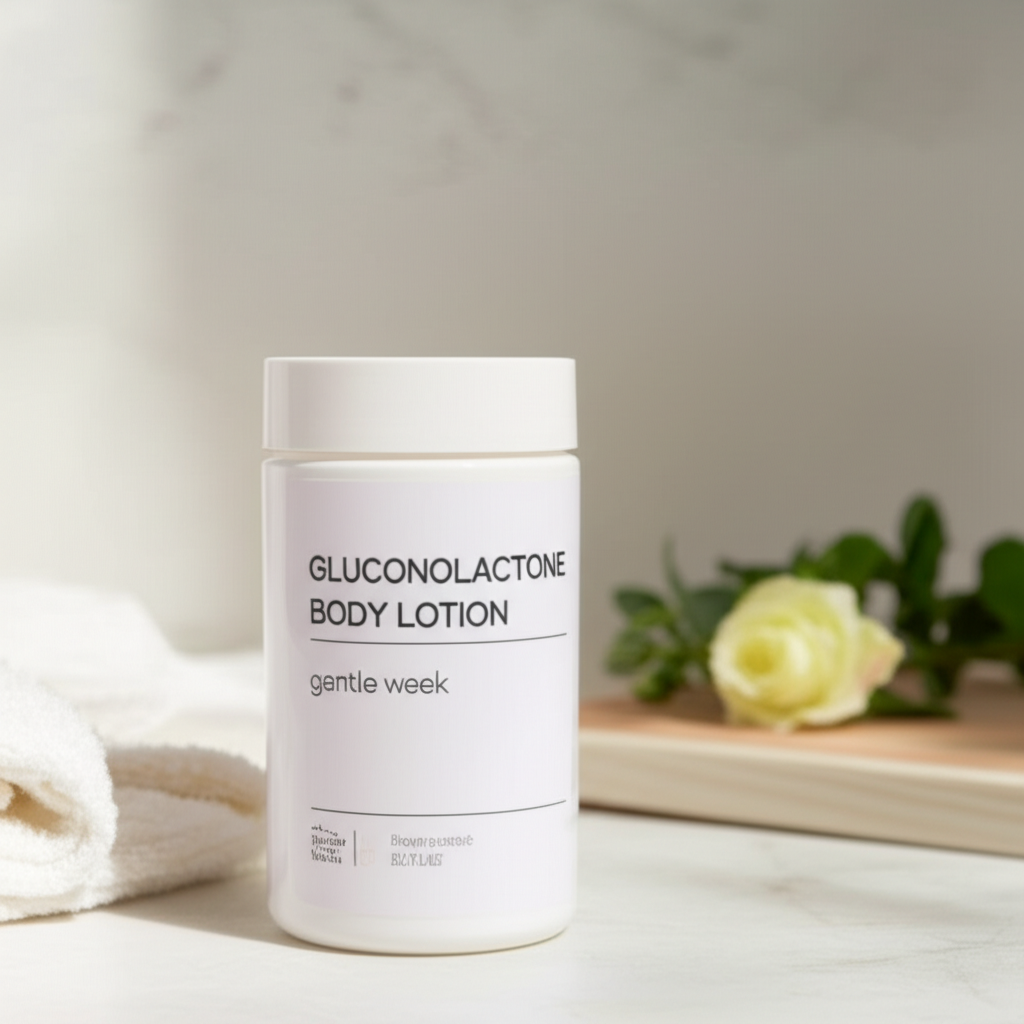
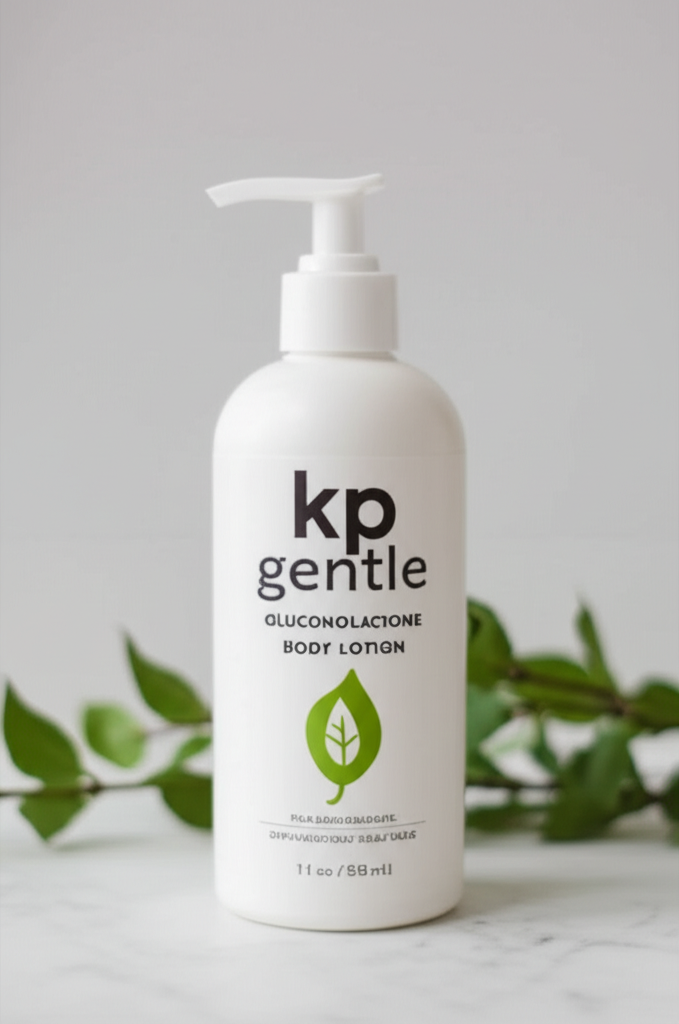
Gluconolactone body lotion is one of the easiest ways to smooth keratosis pilaris (KP) bumps because it exfoliates gently while pulling water into the skin. As a result, you get fewer “angry red dots” and less sting than stronger acids. Here’s my simple plan: cleanse with a mild wash, apply the lotion on a schedule (not daily at first), and seal it with an optional occlusive on the driest patches. Finally, if your arms or legs see daylight, sunscreen isn’t optional.
I’ve dealt with KP on my upper arms on and off for years. For me, the annoying part isn’t just texture—it’s how KP seems to flare the second you get ambitious and overdo exfoliation. Therefore, the goal here’s steady, boring consistency. Not heroics. Over time, you’ll see the biggest changes in feel first (smoother), then look (less redness) later.
Quick side note: a Korean skincare set can actually be handy for KP folks if it includes a fragrance-free cleanser and a barrier-friendly moisturizer. However, don’t stack a bunch of actives on top of your PHA plan. Instead, keep it calm.
what’s gluconolactone body lotion, and why does it help KP?
KP happens when keratin builds up and plugs hair follicles, so you get those tiny rough bumps—often on upper arms, thighs, and sometimes cheeks. A gluconolactone body lotion uses a PHA (polyhydroxy acid) to loosen that buildup gradually. Compared with many AHAs, PHAs are larger molecules, so they tend to penetrate more slowly. That’s why, they’re often better tolerated by sensitive or dry skin types.
Here’s the part I like: gluconolactone isn’t only an exfoliant. It’s also a humectant, meaning it helps attract water to the skin. So, instead of the “polished but tight” feeling I used to get from stronger acids, my arms felt smoother and less cranky.
Want the nerdy receipts? The American Academy of Dermatology describes KP as harmless and common, and it often improves with consistent moisturizers and gentle chemical exfoliants rather than harsh scrubs. See: AAD keratosis pilaris self-care guidance.
Why PHAs sting less (most of the time)
Notably, gluconolactone’s bigger molecular size generally means slower penetration, which can translate to less sting. And, PHAs tend to support hydration, which matters because dry, compromised skin stings more—period. That said, “gentle” doesn’t mean “can’t irritate.” For example, if you combine it with hot showers, scrubs, and fragrance, you can still end up with that prickly, itchy burn.
Also, KP isn’t one-size-fits-all. Some people do better with lactic acid or urea. Others need prescription help for inflammation. However, if you’re reactive and you’ve been burned (literally) by glycolic acid before, a PHA option is a smart place to start.
How quickly can KP improve with a 4-week routine?
In my experience, texture improves first—usually in 7–14 days if you’re consistent. Meanwhile, redness, “strawberry pores,” and stubborn plugs take longer. Therefore, I’d judge progress by touch in week 2, and by appearance in week 4. If you quit in week 1 because it’s “not working,” you’re basically stopping right before the good part.
For real-world expectations: KP is very common. One large review notes KP affects up to 50–80% of adolescents and around 40% of adults (estimates vary by population). Source: NCBI/StatPearls: Keratosis Pilaris. In addition, according to a 2024 survey by the American Academy of Dermatology, 62% of respondents said skin sensitivity made them avoid “strong” exfoliants. Plus, research from a 2024 report by NielsenIQ found 48% of shoppers looked for “fragrance-free” on body-care labels. The takeaway isn’t “you’re doomed.” Instead, it’s that KP is normal, persistent, and responds best to routines you can actually maintain.
My gentle 4-week KP plan (cleanser + PHA lotion + optional occlusive)
I’m going to lay this out like I’d do it for my own arms. Likewise, you can use the same approach for thighs and calves. First, choose a mild, fragrance-free body wash. Second, commit to warm—not lava—showers. Third, apply product on slightly damp skin. Most importantly, that last part matters more than people think.
Week 1: Start slower than you want to
- Cleanser: Gentle, non-scrubby body wash. Skip loofahs and gritty scrubs.
- Lotion frequency: Apply gluconolactone body lotion 3 nights this week (for example, Mon/Wed/Fri).
- Optional occlusive: If you’re very dry, dab a thin layer of petrolatum on the roughest patches 10 minutes after lotion.
What you’ll notice: less “sandpaper” feel by the end of the week. However, what you shouldn’t chase yet is perfectly clear pores. Also, if you feel stinging that lasts more than a few minutes, reduce frequency. Don’t push through it.
Week 2: Build consistency (but keep the barrier happy)
- Cleanser: Same gentle wash. Plus, keep showers under 10 minutes if you can.
- Lotion frequency: Increase to every other night.
- Optional occlusive: Use only if you feel tight or itchy, especially on elbows and the outer upper arm.
What you’ll notice: smoother skin when you towel off and when you run your hand up your arm. Still, redness might look unchanged, and that’s normal. Meanwhile, if bumps start to feel itchy, you may be going too fast or using water that’s too hot.
Week 3: Most people hit their sweet spot here
- Cleanser: Still gentle. For example, if you’re using fragranced body spray, keep it off KP areas.
- Lotion frequency: Try 5 nights this week.
- Optional occlusive: Particularly dry? Add occlusive 2–3 nights, thin layer only.
By now, your skin should feel more even. I usually see fewer “hard plugs” at this point. However, if you’re peeling or getting shiny irritation, dial back. More exfoliation doesn’t equal more results—it often equals more KP drama.
Week 4: Maintain, then decide your long-term schedule
- Cleanser: Keep it boring. Boring works.
- Lotion frequency: If your skin is calm, go up to nightly. Otherwise, stay at every other night.
- Optional occlusive: Use as needed, especially in winter or dry climates.
At week 4, take a quick photo in the same lighting. It sounds cheesy. Still, it’s the easiest way to see subtle improvements. If you want a long-term plan, I’d keep the PHA lotion 4–6 nights per week and take one “rest night” with plain moisturizer.
Do you need sunscreen on KP areas? (Yes, if they’re exposed)
If your KP is on arms or legs and you wear short sleeves/shorts, you need sunscreen. Full stop. Because exfoliating acids can make skin more sun-sensitive, UV exposure can worsen discoloration. And, tanning can make KP texture look more obvious since the bumps catch light differently. I’ve learned this the annoying way.
For sunscreen guidance you can trust, the AAD has clear recommendations on broad-spectrum SPF and reapplication: AAD: how to apply sunscreen. Also, for a science-forward overview of UV and skin, see: The Skin Cancer Foundation.
Common mistakes that keep KP bumpy (I’ve done most of these)
Honestly, KP routines fail because people go too hard, too fast. Or they skip the “boring” steps like moisturizing and sun protection. So, here are the big ones I see (and yes, I’m calling out my past self).
- Over-exfoliating: Using PHA lotion daily plus a scrub plus an exfoliating cloth. As a result, you get irritation that looks like “worse KP.”
- Applying on bone-dry skin: Put lotion on slightly damp skin to reduce tightness and boost comfort.
- Hot showers: Heat strips lipids; therefore, your barrier suffers and bumps feel rougher.
- Mixing too many actives: Retinoids, AHAs, BHAs, and fragranced products all at once can backfire.
- Skipping sunscreen: Especially if KP areas are exposed. This one’s sneaky but real.
What results should you expect (texture vs. redness)
Let’s separate “feel” from “look,” because KP likes to mess with your head. Texture often improves faster than redness. On top of that, follicular plugs can clear before discoloration fades. If you’re light-skinned, redness may linger. If you’re medium-to-deep skin tone, you might see dark marks hang around longer.
By week 4, a realistic win looks like less roughness, fewer prominent bumps, and smoother makeup-free arms/legs. If you’re expecting glass-smooth skin after a month, you’re setting yourself up for disappointment. However, you should see enough progress that continuing feels worth it.
When to stop or adjust
Stop and reassess if you get persistent burning, cracking, swelling, or a rash that’s spreading. Also, if you’ve eczema, psoriasis, or a history of contact dermatitis, patch test first. When in doubt, a dermatologist can confirm it’s KP and not folliculitis or another condition that needs a different approach. If you can’t get in quickly, start by asking your primary care clinician for a referral.
Summary: A gluconolactone body lotion is a solid, low-drama option for KP because it exfoliates gradually and supports hydration. Start 3 nights a week, build to every other night, and only go nightly if your skin stays calm. Most importantly, don’t stack harsh exfoliation, and wear sunscreen on exposed areas.