


Centella ampoule redness usually comes down to two things: your product’s actual centella components (like madecassoside) and how you layer it with actives. If you’re trying to calm flushing, post-acid sting, or that “my face is mad at me” tightness, pick an ampoule with centella actives high on the INCI list, skip drying alcohols and heavy fragrance, and use it right after cleansing on slightly damp skin. Then adjust your routine depending on whether you use retinoids, acids, or neither.
Personally, I’ve leaned on centella the most when I overdid exfoliation (been there) and when weather swings made my cheeks go bright pink for no reason. Honestly, it’s one of the few ingredients where I can feel a difference fast—if the formula is gentle and I don’t sabotage it with harsh layers. Even so, I still patch test, because reactive skin doesn’t always play fair.
Quick note before we get nerdy: an “ampoule” is basically a more concentrated serum. However, that doesn’t automatically mean it’s stronger in a good way. In fact, the best options for redness often feel boring—hydrating, non-stingy, and kind of plain. That’s the point.
what’s a centella ampoule (and why it helps redness)?
A centella ampoule is a leave-on treatment designed to calm irritation and support your skin barrier using Centella asiatica (also called cica). Redness can be triggered by inflammation, barrier damage, heat, harsh actives, or dryness. Therefore, formulas that hydrate + reduce irritation tend to make redness look less intense over time.
Importantly, centella itself isn’t one single “thing.” The plant contains active compounds (centellosides), and good formulas either use the extract in a meaningful amount or isolate key components (more on that below). What’s more, many cica ampoules are built around barrier-friendly ingredients like glycerin, panthenol, and ceramides—which is why they’re often a safe bet when your skin is acting up.
Centella ampoule redness: what to look for on the label
If you’ve ever stared at an INCI list thinking, “Cool… but what does this mean for my face,” same. So here’s what I check—every time—when I’m buying an ampoule to calm visible redness.
1) “Centella” high on the INCI list (not as a sprinkle)
Ingredients are listed from highest to lowest (until ~1%, where ordering can get flexible). So, if Centella Asiatica Extract is buried near the end, you’re probably paying for marketing. Ideally, it’s in the top third of the list, especially if the product’s whole identity is cica.
2) Madecassoside vs. “pure extract” (which is better?)
Madecassoside is one of centella’s best-known components, and it’s often used in sensitive-skin formulas because it’s soothing and barrier-friendly. Meanwhile, “Centella Asiatica Extract” is broader and can still work great—if the formula’s well made and not loaded with irritants.
In my experience, if your redness comes with stinging (especially after acids or tretinoin), products featuring madecassoside and/or asiaticoside often feel calmer. On the other hand, if your redness is more “dryness + tightness,” a simple extract paired with humectants can be enough.
3) Percentages: helpful, but not the full story
Some brands claim “90% centella.” However, that can mean 90% of a centella water/extract base, not 90% pure actives. So, I treat percentages as a clue, not proof. Specifically, I care more about whether it’s fragrance-free, alcohol-light, and layered with barrier ingredients.
Also, be cautious with dramatic claims. The U.S. FDA has warned consumers about misleading skincare marketing in general, which is why I cross-check ingredient reality instead of trusting front-label hype (FDA cosmetics labeling & claims).
4) Avoid drying alcohols and “tingly” extras (most of the time)
If redness is your main issue, I’d avoid formulas with a lot of Alcohol Denat. high up the list. Also, key oils and fragrance can be a problem when your barrier’s compromised—even if you’re normally fine with them.
Yes, some people tolerate fragrance. However, when I’m buying to calm visible redness, I don’t want “tolerate.” I want “boring and safe.”
Which skin types benefit most from centella ampoules?
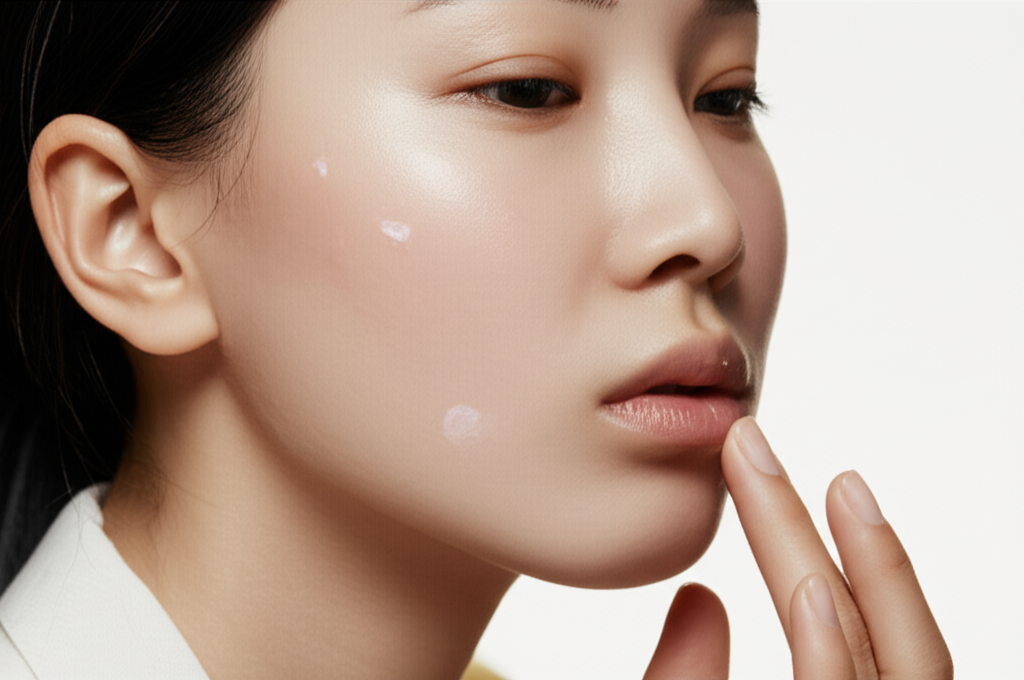
In general, centella is one of those rare ingredients that can play nicely with lots of skin types. Still, there are some “best matches.”
- Sensitive/reactive skin: Particularly helpful if you flush easily or get random irritation from new products. Also great during seasonal changes.
- Acne-prone skin (including inflamed breakouts): Centella can calm the look of angry pimples. However, you still need to watch the rest of the formula (heavy oils can be a deal-breaker).
- Dry/dehydrated skin: Works well when combined with glycerin, hyaluronic acid, beta-glucan, or panthenol. Therefore, it’s a good “comfort layer.”
- Oily skin: Choose lighter textures and avoid rich occlusives if you clog easily. A watery ampoule can be perfect.
One more thing: persistent redness can have multiple causes (rosacea, seb derm, allergies). If your redness doesn’t budge, it’s worth reading the American Academy of Dermatology’s guidance on redness and rosacea triggers (AAD rosacea overview) and talking to a derm.
How do you use a centella ampoule for redness (AM routine)
If you want the “calm, even” look during the day, timing matters. So I like centella right after cleansing because it sinks in better before heavier steps.
- Gentle cleanse (or rinse): If your skin is dry, a water rinse in the morning can be enough.
- Centella ampoule: Apply 2–4 drops to slightly damp skin. Press, don’t rub. On top of that, give it 30–60 seconds to settle.
- Moisturizer: Keep it simple. If you’re red, skip “active” moisturizers for now.
- Sunscreen: Non-negotiable. UV exposure can worsen redness and barrier issues over time.
About sunscreen and redness: daily SPF is one of the few steps with big evidence for long-term skin health. For example, a survey by the American Academy of Dermatology found that 27% of U.S. adults report using sunscreen every day. That gap matters, because inconsistent SPF can keep redness triggers in play. Also, the Skin Cancer Foundation states that regular sunscreen use helps prevent sun damage, which can contribute to uneven tone and visible irritation over time (Skin Cancer Foundation sunscreen basics).
How do you use a centella ampoule at night with retinoids or acids?
This is where most people mess up (I did too). The goal is to keep the active effective and keep your barrier calm. Therefore, you’ll either layer centella before the active (buffering) or after (soothing). In other words, your sensitivity decides the order.
Option A: You’re sensitive (buffer the active)
- Cleanse
- Centella ampoule (thin layer)
- Moisturizer (thin layer)
- Retinoid or acid (pea-size for retinoid; thin layer for acid)
- Moisturizer again if needed
As a result, this “sandwich” approach can reduce stinging. On top of that, it can make retinoids more tolerable while you build consistency.
Option B: You’re tolerant (use active first, then calm)
- Cleanse and fully dry skin (especially for retinoids)
- Retinoid or acid
- Wait 5–15 minutes (optional, but helpful)
- Centella ampoule
- Moisturizer
Personally, if I’m using a strong retinoid week, I keep acids out of the picture. Meanwhile, I lean on centella almost nightly because it helps me stay consistent without feeling raw. That said, I still back off when my skin tells me to.
Troubleshooting: stinging, breakouts, or barrier damage
Even “soothing” products can go sideways. So here’s how I troubleshoot quickly without spiraling into 12 new purchases.
If your centella ampoule stings
- Check for alcohol, fragrance, and important oils. That’s often the culprit.
- Try applying over a thin layer of moisturizer. This reduces direct contact when your barrier’s compromised.
- Stop acids/retinoids for 3–7 days. If your face is stinging from water, actives aren’t helping right now.
If stinging persists, it may not be the centella. It might be your barrier. Therefore, treat it like a barrier issue first.
If you’re breaking out after starting it
- Look for rich oils, fatty esters, or heavy silicones if you’re acne-prone. Not everyone reacts, but some do.
- Reduce amount and frequency. Use 2 drops every other night for a week.
- Don’t introduce it the same week as a new retinoid. Otherwise you’ll never know what caused what.
If you think you’ve damaged your barrier
Classic signs: burning, tightness, sudden sensitivity, and redness that looks “hot.” So here’s my boring-but-effective reset:
- AM: rinse → centella ampoule → moisturizer → sunscreen
- PM: gentle cleanse → centella ampoule → moisturizer (maybe a dab of petrolatum on dry patches)
Do that for a week. Then, and only then, reintroduce actives slowly. And, consider seeing a dermatologist if symptoms are severe or persistent.
How long does it take to see results?
With centella ampoule redness, I usually see a “feel” difference first: less sting, less tightness, better comfort. That can happen in days. Visible redness, however, takes longer—often 2–4 weeks of consistent use, especially if triggers (sun, over-exfoliation, hot showers) are still happening.
Interestingly, consistency beats intensity here. A gentle ampoule used daily often outperforms a “strong” product you’re afraid to apply. According to a 2024 study by the British Association of Dermatologists, about 61% of adults reported having sensitive skin to some degree, which lines up with why “gentle and steady” tends to win for redness-prone routines.
My practical “don’t mess this up” checklist
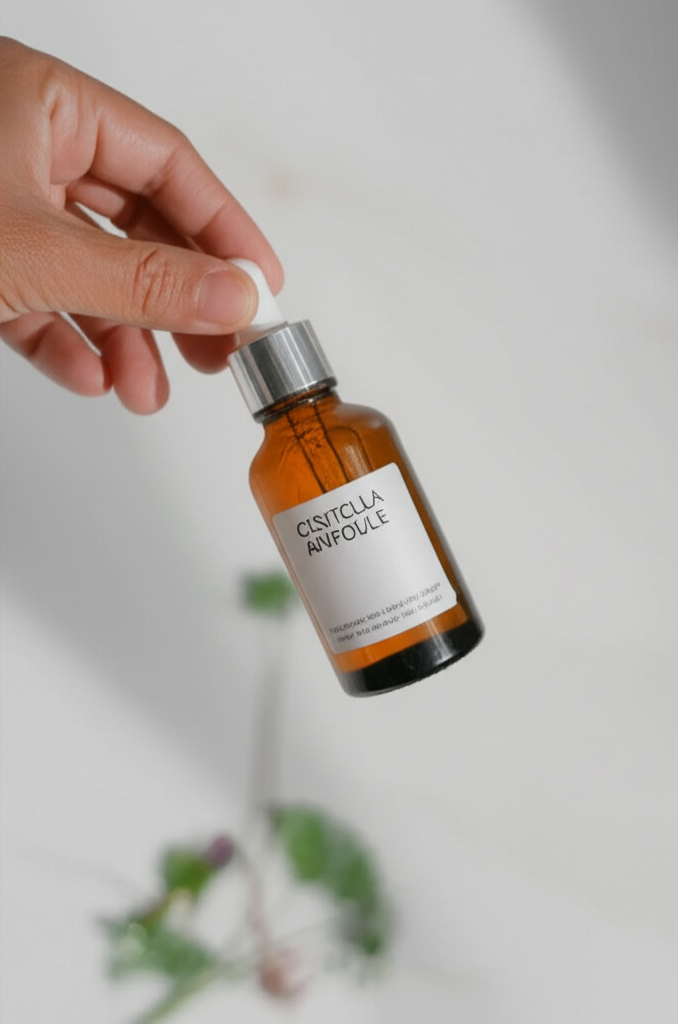
- Use it on slightly damp skin for better spread and less rubbing.
- Pick fragrance-free if you’re actively red or sensitized.
- Don’t pair a new cica product + a new retinoid in the same week.
- If you’re burning, pause actives and rebuild the basics.
- Wear sunscreen daily—redness hates UV and heat.
Video: watch how centella fits into a redness routine
Summary: choosing and using centella the smart way
A good centella ampoule is simple: meaningful centella components (often madecassoside), minimal irritants, and a texture your skin actually tolerates. First, use it early in your routine. Then, adjust layering based on whether you’re buffering actives or calming after them. Most importantly, if your centella ampoule redness routine still stings, treat it as a barrier problem first and simplify for a week. For deeper ingredient cross-checking, you can also look up products in the EU’s CosIng database (European Commission CosIng).