

Pha toner sensitive skin routines work best when you treat PHA like “training wheels” for exfoliation: start slow, use it on damp (not wet) skin, and sandwich it with a simple moisturizer to cut sting risk. PHAs (polyhydroxy acids) exfoliate more gently than AHAs/BHAs because they’re larger molecules and don’t penetrate as aggressively. Therefore, they’re a solid choice if your face turns red from “normal” acids.
I learned this the hard way. Years ago, I thought I could jump straight into stronger exfoliants because my friend’s skin handled them like nothing. Mine? Not so much. My cheeks got hot, blotchy, and mad at me for days. Eventually, a PHA toner was the first exfoliant that let me smooth texture without that prickly, “why did I do this?” feeling.
If you’re building a calm routine from scratch, a Korean skincare set can be a convenient way to keep the steps gentle and compatible (cleanser + hydrating toner + moisturizer). However, you’ll still want to check that it doesn’t sneak in fragrance or a strong active you didn’t plan for.
what’s a PHA toner (and why does it feel kinder)?
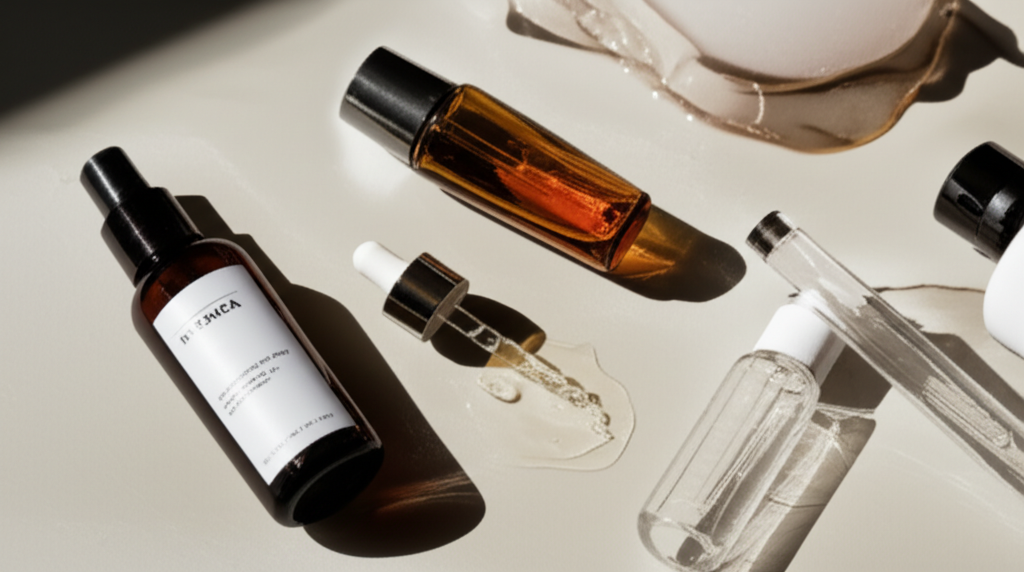
A PHA toner is a watery exfoliating product that uses polyhydroxy acids—commonly gluconolactone and lactobionic acid—to loosen dead skin cells while also attracting water. Interestingly, PHAs are often described as more tolerable because their larger molecular size typically means slower penetration, which can reduce the “zap” sensation some people get from AHAs.
Also, PHAs can double as humectants (water binders). That matters because sensitive skin usually doesn’t just hate exfoliation—it hates dehydration. As a result, a toner format can be especially nice if you prefer light layers instead of heavy creams.
Who should try PHA toner for sensitive skin?
In my experience, the sweet spot for a PHA toner is anyone who wants smoother texture or fewer flakes but can’t tolerate “classic” exfoliation. Specifically, this tends to make sense if you’re dealing with:
- Reactive or redness-prone skin (including mild rosacea tendencies—although you should patch test carefully)
- Dry, tight-feeling skin that gets worse with stronger acids
- Compromised barrier phases (post-winter, post-over-cleansing, post-too-many-actives)
- Fine texture and dullness more than deep, clogged pores
That said, if your main issue is blackheads and oily congestion, a BHA may work better. However, many people still use this as their “maintenance exfoliant” when their skin is easily offended.
PHA vs AHA vs BHA: what’s the real difference in irritation risk?
Here’s how I explain it to friends without turning it into a chemistry lecture:
- AHAs (like glycolic and lactic acid) are water-soluble surface exfoliants. They’re great for glow and texture, but stronger ones—especially glycolic—can sting more easily.
- BHAs (salicylic acid) are oil-soluble. They can get into pores and help with blackheads. However, they can be drying if you overdo them.
- PHAs are generally considered gentler, often more hydrating, and a common pick for sensitive skin starters.
Notably, “gentler” doesn’t mean “can’t irritate.” Instead, concentration, pH, your barrier health, and how you layer products still matter.
If you like reading the science-y stuff, the American Academy of Dermatology’s exfoliation guidance is a good sanity check. On top of that, ingredient and function overviews from sources like INCI Decoder can help you spot common irritants (fragrance, drying alcohols) hiding in “gentle” formulas.
How do you use PHA toner without stinging? (My no-drama method)
If you take only one thing from this post, take this: your first goal is comfort, not speed. You’ll get results faster by staying consistent than by nuking your face once a week and spending the next six days recovering.
- Patch test first (jawline or behind the ear). Do it for 2–3 nights.
- Cleanse gently (no squeaky-clean finish). Pat until your skin is just slightly damp.
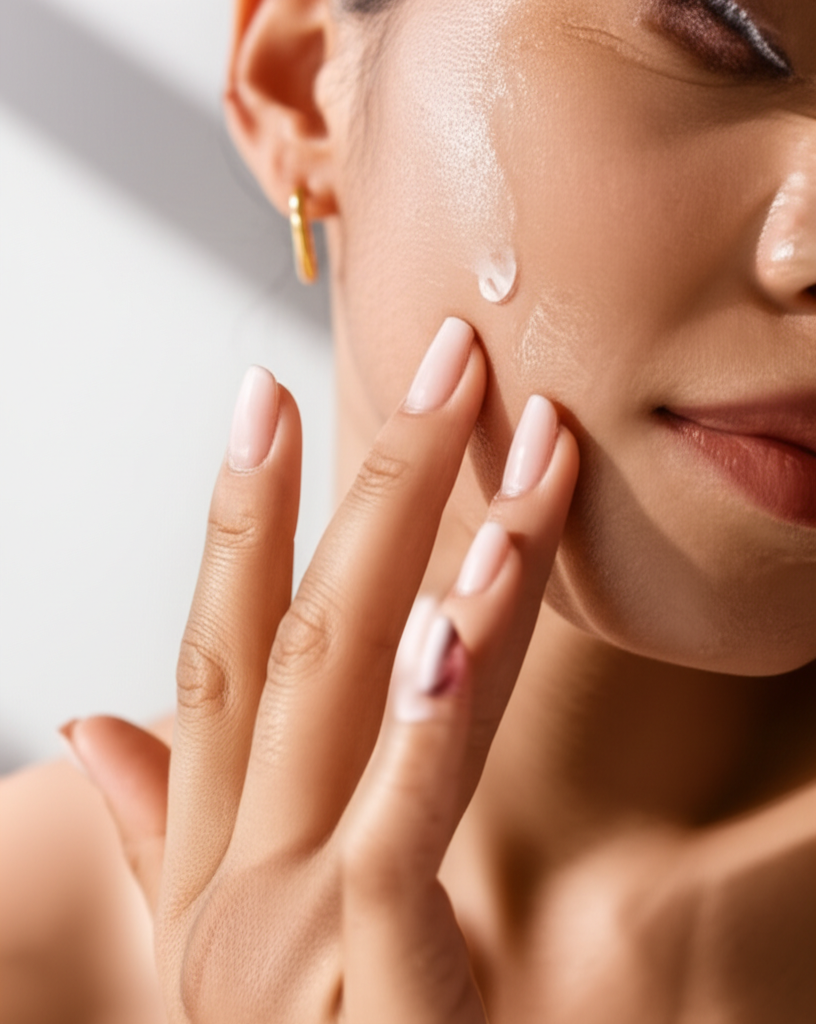
- Apply the toner with hands, not a cotton pad. Cotton can add friction, which sensitive skin hates.
- Use one thin layer. More layers don’t equal more benefit early on.
- Moisturize immediately. This “caps” the acid and reduces tightness.
- SPF the next morning. Exfoliation can make UV damage easier to trigger.
For a lot of people, the stinging comes from a damaged barrier plus too many variables. So, keep everything else boring for two weeks. In other words, boring is good.
Simple AM/PM routine (realistic, not a 12-step fantasy)
I’m going to give you two versions: a “minimal” routine and a “normal life” routine. First, the minimal one is what I use when my skin is cranky.
AM routine (especially if you’re redness-prone)
- Cleanse with water or a gentle cleanser
- Hydrating toner/essence (non-acid)
- Moisturizer
- Sunscreen SPF 30+
Usually, I don’t use exfoliating acids in the morning if I’m sensitive. It’s not “wrong,” it’s just less forgiving when your day includes sun, heat, and stress.
PM routine (PHA nights)
- Cleanse (double cleanse if you wear heavy sunscreen/makeup)
- Pha toner sensitive skin: apply a small amount with hands
- Moisturizer (you can even do a thicker one on cheeks)
Frequency: start 2 nights per week, then go to every other night if your skin stays calm. If you’re already used to acids, you might tolerate more. However, most sensitive-skin wins come from restraint.
Can you layer PHA with retinoids or vitamin C?
Yes, but not in the “throw everything on your face and hope” way. Instead, the goal is to avoid stacking irritation. Here’s the approach I’ve seen work consistently:
PHA + retinoids (retinol, retinal, tretinoin)
- Best for beginners: alternate nights (PHA one night, retinoid the next).
- If you insist on the same night: don’t. Seriously. At least not at first.
- If your dermatologist told you to combine: follow their plan, and consider the “moisturizer sandwich” method to buffer.
Retinoids are amazing, but they’re also the fastest way to confuse “purging” with “I fried my barrier.” Therefore, keep the schedule simple.
PHA + vitamin C
- Safest setup: vitamin C in the morning, PHA at night.
- Same routine? I wouldn’t, especially if your vitamin C is pure L-ascorbic acid (often lower pH and more tingle-prone).
Also, if your vitamin C already gives you a mild sting, that’s your sign to separate them.
How often should you use a PHA toner if your skin is easily irritated?
Most sensitive skin does best with a slow ramp-up. I know that’s not thrilling. However, it works.
- Week 1–2: 2 nights/week
- Week 3–4: every other night if calm
- Long-term: 2–4 nights/week for many people (daily isn’t required)
Interestingly, irritation tends to show up on day 3–5, not always immediately. So, don’t judge tolerance after one good night.
Troubleshooting: tingling, dryness, purging, and “is this irritation?”
This section is the reason I wanted to write this post. Most people quit too early because they can’t tell what’s normal.
If you feel tingling
A slight tingle for 10–30 seconds can happen, especially if your barrier is shaky. However, burning, persistent heat, or redness that lasts into the next day is a stop sign. So, rinse it off, moisturize, and take a few days off actives.
If you get dryness or tightness
First, reduce frequency. Next, apply your toner to slightly damp skin, then moisturize right away. Also, check your cleanser—many “gentle” cleansers still strip if you use too much or cleanse too long.
Purging vs irritation (my personal rule of thumb)
- Purging: small breakouts in your usual congestion zones, improving in 4–6 weeks.
- Irritation: redness, burning, rough patches, random new areas breaking out, and worsening over time.
If it’s irritation, stop the active. Then go back to cleanser + moisturizer + sunscreen until you’re stable.
If you’re getting redness-prone flare-ups
Besides spacing out use, look for hidden triggers: fragrance, needed oils, and strong alcohols. Also, hot showers and blasting your face with hot water can undo all your careful product choices (ask me how I know).
What results can you realistically expect (and how fast)?
If you’re consistent, you’ll usually notice smoother makeup application and less flakiness first. After that, you may see gradual brightness and more even-looking texture. Don’t expect an overnight pore makeover. That’s marketing.
For context, in the U.S., acne affects around 50 million people annually, which is one reason exfoliants are everywhere—even when your skin doesn’t actually want them. Source: American Academy of Dermatology (Skin stats).
Plus, the Skin Cancer Foundation notes that one in five Americans will develop skin cancer by age 70, which is a blunt reminder that barrier-friendly routines still need SPF. Source: Skin Cancer Foundation (Facts & stats).
Finally, according to a 2024 survey by Statista, about 42% of U.S. consumers reported having sensitive skin, which helps explain why low-drama exfoliation is such a big deal. Source: Statista (Skin care topic).
My personal “rules” for keeping PHA gentle
- One active at a time for two weeks. Otherwise, you’ll never know what caused the reaction.
- No scrubs, no exfoliating brushes on PHA days. Friction + acid is a rude combo.
- Skip after shaving or waxing. Your skin is already sensitized.
- Don’t chase the tingle. Tingle isn’t proof it’s working.
- When in doubt, moisturize. Hydration makes actives easier to tolerate.
Video: seeing a PHA routine in action
Sometimes it helps to watch someone apply products and pace the steps. Here’s a quick video break before you tweak your own routine.
Quick summary (so you don’t overthink it)
A pha toner sensitive skin routine should be slow, simple, and mostly boring. Use it at night, start twice weekly, and moisturize right after. Also, alternate it with retinoids rather than layering on the same night. If you feel burning or lingering redness, stop and rebuild your barrier before trying again.
[content-egg-block template=offers_list]