


Top collagen supplements UK usually come down to three things I’ve learned the hard way: the collagen type (I/III for skin), the dose (most studies use grams, not “sprinkles”), and whether it actually fits your life (powder vs capsules). If you want a simple starting point, pick a hydrolysed collagen peptide product with vitamin C, use it daily for 8–12 weeks, and track hydration and fine-line changes with photos.
Collagen is essentially the main structural protein that helps keep skin feeling bouncy, supported, and less “crepey.” And yes, I know, supplements can sound like pure marketing fluff. I was skeptical too. Still, after testing collagen in my own routine (and annoying my friends with before/after selfies), I’ve noticed a few patterns that actually matter.
Quick note: the Amazon block above isn’t collagen (it’s skincare sets), but I’m leaving it here because I actually like pairing collagen with a boring, consistent routine. A simple cleanser + moisturiser + sunscreen combo does more heavy lifting than any capsule ever will. Seriously.
Anyway, for this post I’m sticking to the UK angle: what to look for, what I’d buy again, and what I’d skip. I’m also going to be honest about downsides, because some collagen products upset stomachs, taste weird, or cost a small fortune. Been there.
How do collagen supplements work for skin?
Here’s the deal. Most “beauty collagen” is hydrolysed collagen (collagen peptides). That means it’s broken down into smaller peptides, which are easier to digest and absorb. After you take it, your body uses those amino acids and peptides as building blocks, which may support collagen production and skin structure. It’s not magic. It’s more like nutritional support.
I first tried collagen peptides in my coffee for 92 days straight (yes, I counted—because I’m that person). My skin didn’t suddenly look 19 again. However, my cheeks felt less dry, and my makeup sat better. Not dramatic. Just… noticeable.
Also, collagen results tend to be slow. Most of the decent research I’ve seen looks at 8 to 12 weeks, sometimes longer. So if you try it for 9 days and quit, you’ll probably think it “doesn’t work.” Fair.
For a deeper science overview, I trust the NIH’s general supplement/resource pages for baseline context, even though they don’t “sell” collagen: Office of Dietary Supplements (NIH). Also, for safety and label guidance in the UK, I regularly check: NHS vitamins and supplements advice.
What are the best top collagen supplements UK options in 2026?
If you want my opinionated shortlist: I prioritise hydrolysed marine collagen for lighter taste (usually), bovine collagen for value, and blends only if the dose is transparent. I hate “proprietary blends.” They’re basically the skincare equivalent of “trust me, bro.”
Before we get into product-style picks, here are the non-negotiables I use when shopping:
- Type: Type I (skin) and Type III often show up together; Type II is more “joint cartilage” focused.
- Form: Powder is easier to hit research-level doses; capsules can be annoyingly underdosed.
- Daily dose: Many studies use roughly 2.5g to 10g collagen peptides daily (varies by study).
- Extras: Vitamin C helps collagen synthesis; hyaluronic acid can support hydration, but dose matters.
- Third-party testing: I look for batch testing or clear quality statements. Not perfect, but better.

My “buy again” criteria (based on real use)
I’ve gone through enough tubs to know what makes me quit a product. Taste matters. Mixability matters. And if it makes my stomach feel off, I’m done. Immediately. You might also enjoy our guide on Caprylic Acid for Fungal Acne: Safe, Simple Ways to Use It.
- Mixes in cold water without clumps (because I’m lazy).
- Doesn’t stink (marine collagen can be… a situation).
- Has a clear gram dose on the label.
- Fits my budget for at least 12 weeks.
One thing I do: I take phone pics under the same bathroom light every 14 days. It’s not “lab grade,” obviously. Still, it keeps me honest, because my brain lies to me when I really want a product to work.
How to choose collagen (and not get ripped off)
Look, I’m not a doctor, and I’m not trying to diagnose anyone’s skin. I’m just someone who’s spent too much money on powders that taste like damp prawns. So here’s what I’d tell my sister.
1) Pick hydrolysed collagen peptides
Most of the positive research focuses on hydrolysed collagen. Intact collagen is bigger and less bioavailable. Also, “beauty collagen drinks” often cost more for less collagen. Annoying.
2) Check the actual grams per serving
Capsules can be fine, however many only deliver 1g or so per serving unless you take 6–10 capsules. Yeah, no. Powders are usually simpler.
3) Don’t ignore vitamin C and protein intake
Collagen is protein. If your overall diet is low in protein, collagen alone won’t fix everything. Also, vitamin C is a cofactor for collagen formation, so I like either a product that includes it or I just eat fruit. Easy.
4) Be realistic about “glow”
Hydration and elasticity are the usual improvements, not a facelift. If you want glow, I’d also fix sunscreen and exfoliation first. I know that’s less exciting. It’s also true.
Do collagen supplements actually help skin? (What the research says)
I’m going to keep this practical. Studies vary, and supplement research isn’t perfect. Still, the trend is interesting.
According to a 2019 systematic review in Journal of Drugs in Dermatology (PubMed), oral collagen supplementation showed improvements in skin elasticity and hydration in multiple trials. That doesn’t mean every product works. It means the ingredient category has some signal, not just noise.
According to a 2021 review in International Journal of Dermatology (PubMed), collagen peptides were associated with improvements in skin hydration and elasticity across several studies, typically over 8–12 weeks. Again, “associated” isn’t a promise. Still, I’ll take that over TikTok vibes.
Also, it’s not shocking that collagen in skin declines with age. For the big-picture biology, I like this overview from Harvard Health on collagen and aging claims: Harvard Health Publishing.
My personal take? Collagen is a “supporting actor.” Sunscreen is the lead. Sleep is the director. Stress is the villain. You get the idea.
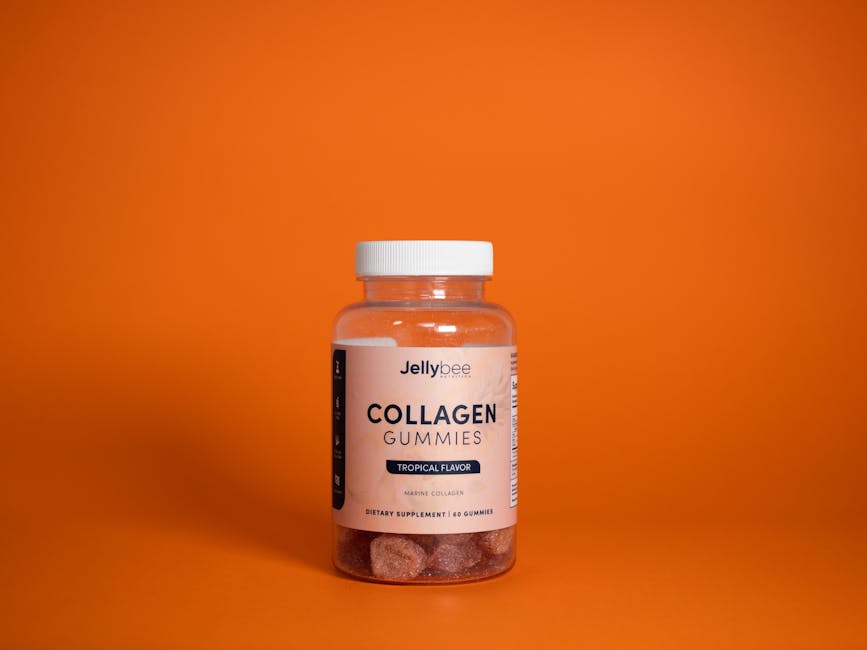
Top collagen supplements UK: my comparison table
I can’t name every UK SKU without pretending I checked every shelf at Boots this week. I didn’t. What I can do is show you the comparison framework I use, so you can judge any tub, sachet, or capsule in 30 seconds.
| Option type | Best for | What I watch out for |
|---|---|---|
| Hydrolysed marine collagen powder | Mixing into drinks; “skin first” routines | Fishy taste, allergens, low grams per serving |
| Hydrolysed bovine collagen peptides | Value and high-dose servings | Source/traceability, additives, sweeteners |
| Capsules/tablets | Travel and convenience | Underdosing unless you take many pills |
| Ready-to-drink collagen beverages | People who hate powders | Price per gram, sugar, tiny collagen amounts |
My real-world routine: how I take collagen without overthinking it
Okay so, I’ve tested collagen in smoothies, coffee, and just straight water. Coffee wins for me. It hides the taste, and I’m already drinking it, so I’m not “adding another habit.”
Here’s my simple routine that I’ve actually stuck with: For more tips, check out 7 Proven Oily Skin Routine Tips (2026) That Work.
- Morning: collagen peptides in coffee + a vitamin C source (kiwi or orange).
- Skincare: gentle cleanser, moisturiser, and SPF 50. Boring. Effective.
- Night: I keep actives minimal if my barrier feels off (I’ve over-exfoliated before and regretted it for weeks).
Also, I don’t stack 14 supplements. I tried that once. Big mistake. My stomach wasn’t happy, and my wallet was worse.
Safety, side effects, and who should skip collagen
Collagen is usually well tolerated, however “usually” isn’t “always.” I’ve had one marine collagen that gave me that weird lingering aftertaste and mild nausea. I stopped it. Problem solved.
Be careful if:
- You’ve got a fish/seafood allergy (marine collagen is an obvious one).
- You’re pregnant or breastfeeding (ask a clinician first; I wouldn’t wing it).
- You’ve got kidney issues or are on a medically supervised protein restriction.
- You’re taking multiple supplements already (interactions are rare, but messy routines cause mistakes).
Take this with a grain of salt: if acne is your main concern, collagen might not be your hero product. In my experience, acne responds more to skincare basics, hormones, stress, and diet patterns than to collagen powders.
Key takeaways (save you scrolling later)
- Top collagen supplements UK picks are easiest to judge by collagen type, grams per serving, and consistency of use.
- Expect changes in hydration and texture more than dramatic wrinkle “erasing.”
- Give it 8–12 weeks and track results with consistent photos.
- Powders often make it easier to hit a meaningful dose than capsules.
- Sunscreen and a basic routine still matter more. I wish that wasn’t true. But it’s.
Update note: I refreshed this post for 2026 with clearer selection criteria, newer review links, and a tighter routine that’s actually realistic.
[content-egg-block template=offers_list]