


Top collagen supplements are usually hydrolyzed collagen peptides (often Type I/III) taken daily to support skin hydration and elasticity over time. In my experience, the “best” option isn’t the fanciest label—it’s the one you’ll actually take for 8–12 weeks, with a solid dose, third-party testing, and minimal junk ingredients.
Okay so, I used to roll my eyes at collagen powders. Seriously. Then I hit my mid-30s, my skin started doing that dull-and-dry thing, and I figured I’d test it like a normal person: same cleanser, same moisturizer, only one new variable. I tracked photos, water intake, and even how my makeup sat on my cheeks. Nerdy? Yep. Helpful? Also yep.
Quick note: I’m not your doctor, and I’m definitely not diagnosing anyone’s skin. I’m just sharing what I’ve tried, what I’ve measured, and what the research seems to say. If you’re pregnant, nursing, on meds, or you’ve got kidney issues, please run supplements past your clinician. Not optional.
Also, I’m writing this for 2026 because formulas change, brands get bought, and ingredient panels randomly “improve” (translation: they add sweeteners and call it innovation). I check labels every time I reorder. You should too.
What are top collagen supplements, really?
Top collagen supplements are typically powders, capsules, or gummies made from hydrolyzed collagen (collagen peptides) sourced from bovine, marine, chicken, or eggshell membrane. “Hydrolyzed” matters because it means the collagen is broken into smaller peptides that are easier to dissolve and digest. In fact, most of the decent studies use collagen peptides in the 2.5g–10g/day range, taken consistently.
Thing is, collagen isn’t a magic eraser. I wish. Your body still needs the basics—protein, vitamin C, sleep, sunscreen—otherwise you’re basically watering a plant while keeping it in the dark. Harsh, but true.
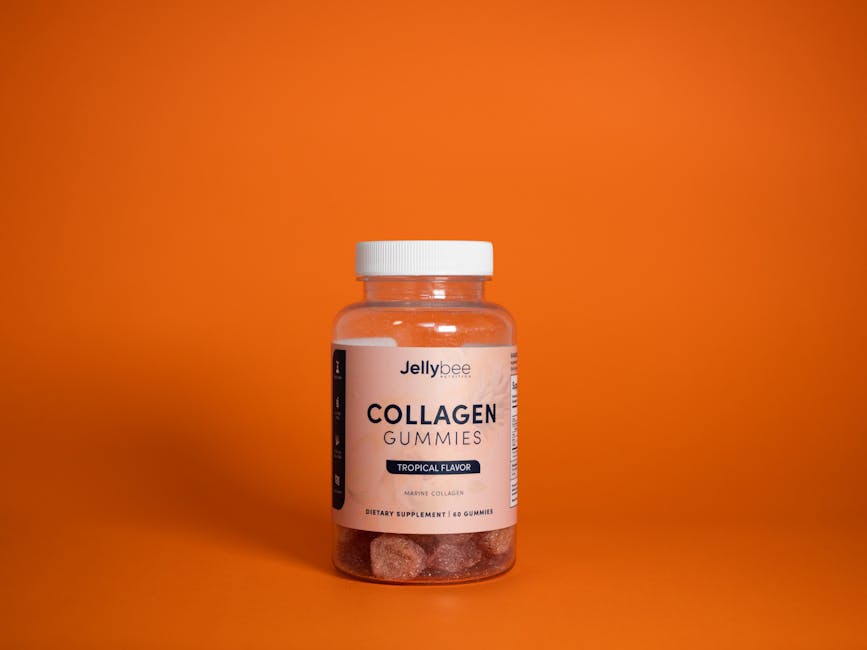
How do collagen supplements work for skin?
Collagen peptides are thought to act as signaling molecules and building blocks—basically, they may stimulate fibroblasts and support dermal matrix components (collagen, elastin, hyaluronic acid). And, some studies show improvements in skin elasticity and hydration after several weeks of daily use.
I’m gonna be honest: I didn’t “feel” anything in week one. Not even close. My nails grew faster, though, which was weirdly satisfying. By week seven, my foundation stopped clinging to dry patches around my mouth. That’s the kind of boring win I actually trust.
Here are three stats I keep coming back to (with sources):
- According to a 2019 systematic review in Journal of Drugs in Dermatology, oral collagen supplementation was associated with improvements in skin elasticity and hydration across multiple trials.
- According to a 2021 review in International Journal of Dermatology, collagen peptides have evidence supporting benefits for skin aging markers, although study quality and sponsorship vary.
- According to the NIH Office of Dietary Supplements, vitamin C is required for collagen synthesis—so if your diet’s low in it, your results may be limited even if your supplement is great (NIH ODS: Vitamin C).
Downside? Plenty. Some products are overpriced. Others taste like a fish dock. And, if you’re acne-prone, certain flavored powders (or high-dose biotin add-ons) can be a problem. I’ve seen it happen to me. Annoying. You might also enjoy our guide on Sulfur Cleanser Acne: How to Use It Without Peeling (Realist.
what’s the best collagen supplement for skin?
If you force me to pick “best,” I’ll always start with a plain, unflavored hydrolyzed collagen peptide powder from a brand that shows third-party testing and keeps the ingredient list simple. Why? Because you can hit a clinically used dose without chewing six gummies a day. Also, powders let you control the serving size, which matters more than people admit.
However, “best” depends on your life. If you travel a lot, capsules win. If you gag at powders, gummies might be your only realistic option. Consistency beats perfection. Every time.
My personal scoring system (so you can steal it)
- Dose: I look for 5–10g collagen peptides/day (unless it’s a specialty product like eggshell membrane).
- Testing: third-party testing or a clear quality statement (NSF, Informed Choice, or posted COAs if available).
- Type/source: marine vs bovine is preference; Type I is commonly marketed for skin.
- Extras: vitamin C is fine; sugar alcohols and “beauty blends” often annoy my stomach.
- Price per serving: I do the math. I’m not paying luxury-tax pricing for cow hide.
My list of top collagen supplements (what I’d actually buy again)
I’m not pretending I tested every product on earth. I haven’t. I’ve tested a handful over the last 3 years, rotated through others my friends use, and compared labels like a mildly irritated raccoon. Still, these categories cover what most people need.
| Type | Best for | What I watch out for |
|---|---|---|
| Unflavored collagen peptide powder (bovine) | Daily, high-dose habit; mixing into coffee/smoothies | Clumping, “barn” smell, lack of testing |
| Marine collagen peptides | People who prefer fish source; lighter taste (sometimes) | Fishy aftertaste; higher cost; allergen issues |
| Capsules | Travel, routines, no-mess supplementation | Low total grams per day unless you take many |
| Gummies | Compliance (you’ll actually take them) | Sugar, low collagen dose, sticky additives |
| Eggshell membrane collagen | Joint + skin combo for some users | Not the same dosing logic; fewer skin-focused trials |
One thing I learned the hard way: collagen works best as a “boring daily.” I keep mine next to my electric kettle so I don’t forget. If it’s in a cabinet, it doesn’t exist. That’s just my brain.

How I add collagen to my skincare routine (without overthinking it)
Yeah, I said “skincare routine,” but collagen is an ingestible. Still, it fits into the bigger system of skin support. Here’s what’s worked for me, specifically.
- Pick a time: I take it with my first drink of the day (coffee or tea). Meanwhile, my evening is chaos, so I don’t rely on nighttime habits.
- Pair it with protein: Not required, but it helps me remember, and it supports overall amino acid intake.
- Don’t skip sunscreen: UV breaks down collagen. If you’re spending money on supplements while raw-dogging sunlight, you’re braver than me.
- Stick to 8–12 weeks: I track changes at weeks 4, 8, and 12 with the same lighting and same camera distance. Otherwise, my “results” are just vibes.
My friend swears by mixing collagen into yogurt. I tried it. I hated it. Texture issue. However, in smoothies it’s basically invisible, so I’m not mad at it.
What to look for on the label (and what I ignore)
I’ve read enough labels to know that marketing teams love a shiny buzzword. Therefore, I focus on the boring stuff that actually matters. For more tips, check out Ectoin moisturizer for sensitive skin: a simple 4-week barri.
Green flags
- Hydrolyzed collagen peptides listed clearly (not a vague “proprietary blend”)
- Defined serving size with grams (not just “2 scoops” with no gram weight)
- Third-party testing and clear allergen statements
- Minimal flavoring if you’ve got a sensitive stomach
Red flags
- Huge “beauty blends” that hide collagen grams behind a blend name
- High sugar gummies pretending to be wellness products
- Random mega-doses of biotin (if you’re acne-prone, be careful)
Also, don’t ignore your diet. I know, I know. But vitamin C, zinc, and protein matter. The NIH vitamin C page is a good reality check if you want to see food sources and daily needs (here).
My “did it actually work?” results (messy, but real)
I tested collagen peptides for 92 days last year. I took 10g/day, missed 6 days total (I tracked it), and kept my topical routine the same: gentle cleanser, bland moisturizer, SPF 50. At day 56, my skin looked less crepey around my smile lines. By day 84, my nails were annoyingly fast-growing and my ponytail felt slightly thicker. Could some of that be placebo? Totally possible. Still, the hydration change felt real because my makeup behaved differently.
I might be wrong here, but I think the biggest “tell” is dryness. If you’re already oily, collagen might feel underwhelming. Conversely, if you’re dry and you live in heating/AC, you may notice more. That’s been my pattern.
If you want a nerdy deep-dive on skin structure and collagen breakdown, I also like the American Academy of Dermatology’s general skin-aging guidance for grounding expectations (AAD: prevent skin aging). It’s not about supplements specifically, but it keeps you honest.
One more thing: I’ve bought a Korean skincare set on Amazon before (mostly for travel minis), and it’s honestly a nice companion to collagen if you’re trying to get consistent. Supplements help from the inside; a simple cleanser + moisturizer + SPF routine helps from the outside. Basic. Effective. Not sexy.
Key takeaways (so you don’t overthink it)
- Top collagen supplements are usually hydrolyzed collagen peptides; expect gradual changes, not overnight miracles.
- I’d give any collagen experiment 8–12 weeks, with consistent dosing and photos in the same lighting.
- Pick a product with a clear collagen gram amount and some quality/testing transparency.
- Don’t sabotage yourself: protein, vitamin C, and sunscreen still matter a lot.
[content-egg-block template=offers_list]