


A top men’s skincare routine is basically four non-negotiables: cleanse gently, moisturize daily, use sunscreen every morning, and add one targeted treatment (like a retinoid or acne active) at night. I’ve stuck to that core for months, and my skin looked calmer, less oily, and way more even. Keep it simple, then scale.
Look, I used to overcomplicate this stuff. Big mistake. My face would feel tight, then greasy, then irritated—like it couldn’t decide what mood it was in. So I pared it back, tracked what actually changed my skin, and now I’ve got a routine I can follow even when I’m half-asleep.
Quick note: men’s skin isn’t magically different, but it’s often treated differently. I shave, I sweat, and I’m outside a lot. That combo means more irritation, more clogged pores, and more random dryness around my mouth. Sound familiar?
Also, I’m not your dermatologist. I’m just a guy who’s tested a bunch of routines on my own face, compared photos, and learned what makes my skin freak out. If you’ve got eczema, cystic acne, or anything scary-looking, please get a pro involved.
what’s a top men’s skincare routine, really?
A top men’s skincare routine is essentially a repeatable set of steps that protects your skin barrier, prevents sun damage, and targets your main issue (acne, dryness, or aging) without frying your face. I aim for “boring and consistent,” because honestly, consistent beats fancy.
Here’s the routine structure I use most weeks:
- AM: Cleanser → Moisturizer → Sunscreen (SPF 30+)
- PM: Cleanser → Treatment (optional) → Moisturizer
That’s it. Seriously. Everything else is optional “nice-to-have” stuff.
How does a top men’s skincare routine work (and why mine finally did)?
So here’s the deal. Skin is a barrier. When I used harsh scrubs and strong cleansers twice a day, I basically wrecked that barrier and then wondered why I was oily and flaky. Fun times.
What changed things for me was focusing on three boring principles:
- Protect: Sunscreen reduces UV damage and uneven tone.
- Repair: Moisturizer supports the barrier (ceramides and glycerin are my favorites).
- Target: One active ingredient at a time, introduced slowly.
Interestingly, the data backs up the sunscreen obsession. According to the American Cancer Society, UV exposure is a major preventable risk factor for skin cancer, and sunscreen is a core protective measure. Meanwhile, a survey by the American Academy of Dermatology found only 33% of U.S. adults say they use sunscreen regularly. Honestly, I used to be in the other 67%.
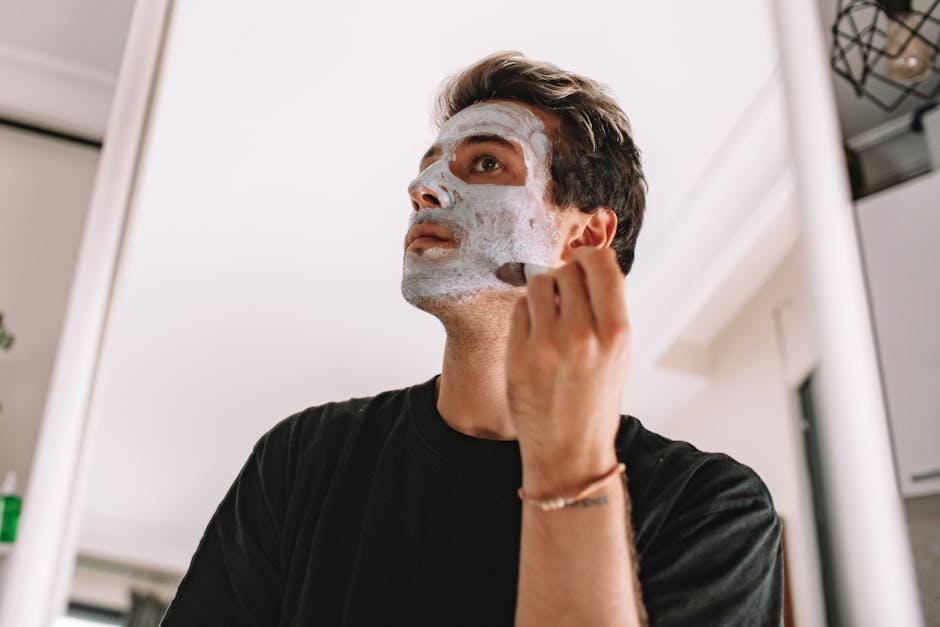
My 9-step routine (AM/PM), tested on real-life chaos
I’ve run this basic setup for about 14 weeks, swapping only one product at a time. Not gonna lie, the “one change at a time” rule is annoying. However, it’s the only way I can tell what’s helping versus what’s wrecking my face.
Worth it.
AM steps (3 steps)
- 1) Cleanser (gentle): I use lukewarm water and a mild cleanser. If my skin feels dry, I sometimes just rinse. Yeah, I said it.
- 2) Moisturizer: Lightweight if I’m oily; richer if I’m flaky from shaving.
- 3) Sunscreen: SPF 30 minimum, SPF 50 if I’m outdoors. Also, I reapply if I’m sweating a lot.
PM steps (up to 6 steps, but you won’t use all daily)
- 4) Cleanser: Same gentle cleanser. If you wear tinted sunscreen or heavy product, double cleanse can help, but I usually don’t need it.
- 5) Exfoliation (1–3x/week): I prefer chemical exfoliation over sandpaper scrubs. Specifically, salicylic acid (BHA) helps my pores look less angry.
- 6) Retinoid (2–4x/week): I started low and slow. Pea-sized amount. Plus, I’ll do the moisturizer sandwich if I’m sensitive.
- 7) Spot treatment (as needed): Benzoyl peroxide works, but it can bleach towels. Ask me how I know.
- 8) Moisturizer: Always. Even if I’m oily. Especially if I’m using a retinoid.
- 9) Lip balm / eye cream (optional): I use lip balm. Eye cream? Sometimes. Don’t @ me.
One thing I wish someone told me sooner: if your face stings after moisturizer, it’s not “working.” It’s irritated. Dial it back. You might also enjoy our guide on 7 Proven Oily Skin Routine Tips (2026) That Work.
Big difference.
what’s the best cleanser and moisturizer for men?
I honestly hate how “for men” gets slapped on everything. Skin’s skin. Still, if you want a simple rule: go for fragrance-free, non-comedogenic products, and avoid high-foam cleansers if you’re dry or shaving daily.
Here’s what I personally look for on labels (and why):
- Cleanser: glycerin, mild surfactants, pH-balanced claims
- Moisturizer: ceramides, glycerin, hyaluronic acid, niacinamide (if you tolerate it)
- Avoid if sensitive: heavy fragrance, lots of necessary oils, harsh physical scrubs
For ingredient guidance I actually trust, I keep bookmarked the American Academy of Dermatology tips on sensitive skin. Their advice is boring. That’s why it works.
Exfoliating and shaving: the part that messes most guys up
Okay so, shaving is basically controlled scraping. Combine that with exfoliation on the same day and—surprise—you’ve got a red, bumpy neck. I’ve done it. I regretted it.
Not even close.
My current “don’t be dumb” shaving rules:
- Shave after a shower or warm rinse (softens hair).
- Use a slick shave gel/cream, not random soap.
- Shave with the grain first; against the grain only if my skin can handle it.
- Then, skip acids (BHA/AHA) for 12–24 hours after shaving if I’m irritated.
Interestingly, ingrown hairs are super common with curly hair types. The CDC even notes pseudofolliculitis barbae (razor bumps) as a real issue in grooming contexts, especially where shaving is frequent; their workplace guidance is worth a skim if razor bumps are ruining your week: CDC/NIOSH skin resources. Plus, if you want a deeper breakdown of razor bumps and prevention, the AAD razor bump guide is super practical.
Real stats I use to keep myself honest
I’m a skeptic by default. So I like numbers, even if I don’t treat them like gospel.
- According to the CDC, skin cancer is the most common cancer in the United States. That fact alone makes my SPF step non-negotiable.
- Research from the U.S. FDA explains that broad spectrum sunscreen helps protect against UVA/UVB; in practice, I treat it like daily insurance.
- According to a 2024 study by NCBI/PubMed Central researchers reviewing acne therapies, many topical retinoids show meaningful lesion reductions, and a lot of trials report improvements in the 20%–60% range depending on product and regimen. On my face, I noticed fewer clogged pores after about 6–7 weeks.
Take this with a grain of salt: results depend on consistency, irritation tolerance, and sun exposure. Also, if you start a retinoid and skip sunscreen, you’re basically doing skincare on hard mode. Been there. Didn’t love it.
My simple comparison: minimal routine vs “full” routine
People ask me what to start with. I always say: start minimal. Then add one thing.
| Routine type | What you do | Who it’s for (my opinion) |
|---|---|---|
| Minimal | Cleanser + moisturizer + SPF | Beginners, sensitive skin, busy schedules |
| Targeted | Minimal + one active (BHA or retinoid) | Acne, texture, early aging, dullness |
| “Full” | Targeted + extras (toner/essence/masks) | Hobbyists who enjoy the process |
Personally, I live in the “targeted” lane. It’s effective and I don’t feel like I’m running a chemistry lab in my bathroom. For more tips, check out Allantoin Moisturizer: 2-Week Repair Plan for Irritated Skin.
Products I’d actually recommend (and what I’d skip)
Anyway, you don’t need 12 products. You need a few that you’ll use. I’ve tried the “buy everything” approach, and my skin didn’t care—it just got mad.
If you want a lazy shortcut, I’ve seen guys do well starting with a curated set (especially if decision fatigue is your thing). I’ve even gifted a Korean skincare set from Amazon to my brother because he won’t research anything, and he actually used it. Miracles happen.
If you’re curious about supplements or “inside-out” skincare, I’m cautious. Some people swear by them. I’m not totally convinced. Still, if you want to read more about a specific formula, here’s one option I’ve seen floating around:
Common mistakes I keep seeing (and yes, I’ve done most of them)
Here’s what tends to wreck a top men’s skincare routine, even if the products are good.
- Switching too fast: I give a new product 18–28 days unless it burns or breaks me out badly.
- Over-exfoliating: More isn’t better. More is irritated.
- Skipping sunscreen: Then wondering why dark marks linger.
- Using actives on a broken barrier: If your face stings with water, pause actives for a week.
- Not cleaning pillowcases: I change mine every 6–7 days. It helps. Not magic, but helpful.
Also, don’t ignore your neck. I did for years. Now I moisturize and SPF my neck because I’d like it to match my face, thanks.
Top men’s skincare routine checklist (save this)
AM: Gentle cleanse → moisturize → SPF 30+ (reapply if you’re outside). PM: Cleanse → one active (optional) → moisturize. Honestly, if you do this 80% of the time, you’re pretty much ahead of most people.
What I’d tell my past self
- A top men’s skincare routine is simple: cleanse, moisturize, and SPF—then add one active slowly.
- Consistency beats complexity. I track changes weekly, not daily.
- Shaving + exfoliating on the same day is often a trap.
- If irritation shows up, I pause actives and rebuild the barrier first.
[content-egg-block template=offers_list]
Frequently Asked Questions
How long does a top men’s skincare routine take to show results?
In my experience, hydration and less tightness can show up in 3–7 days, while acne and texture changes often take 6–8 weeks. Dark marks can take longer, especially without sunscreen. So I track progress with weekly photos in the same lighting so I don’t fool myself.
Do men really need moisturizer if they’ve oily skin?
Yes, most guys with oily skin still benefit from a lightweight moisturizer. When I skipped moisturizer, my skin felt oily yet dehydrated, and I’d overproduce oil by midday. Look for gel-cream textures, glycerin, and niacinamide, and avoid heavy fragrance if you’re breakout-prone.
What’s the best sunscreen for men who hate greasy products?
I’d choose a lightweight SPF 30–50 labeled “oil-free” or “matte,” and I’d test it for two full mornings before judging. Mineral sunscreens can feel thicker, while many modern chemical filters feel lighter. Also, if you shave daily, a non-stinging formula matters a lot.
Can I use retinol and exfoliating acids in the same routine?
You can, but I wouldn’t start that way. Instead, I alternate nights: retinoid one night, acid another night, and then a “boring” recovery night with only cleanser and moisturizer. That spacing reduces irritation. If you’re peeling or stinging, back off and rebuild your barrier first.
What’s the simplest top men’s skincare routine for beginners?
The simplest setup is cleanser, moisturizer, and sunscreen in the morning, then cleanser and moisturizer at night. I’d run that for 2–3 weeks before adding anything else. Once your skin feels stable, add one targeted product (like salicylic acid for acne) slowly and consistently.