


Anti-aging serums are pretty much the superheroes of skincare. They target fine lines, wrinkles, and other signs of aging, helping us maintain that youthful glow. I’m always on the lookout for the best products to keep my skin looking fresh. So, what’s in these magical potions? Let’s break it down.
what’s Anti-Aging Serum?
Essentially, an anti-aging serum is a concentrated formula designed to penetrate deep into the skin. Unlike regular moisturizers, serums have a lighter texture and are packed with active ingredients. I’ve tried a few, and the difference is noticeable. Seriously, it’s a big deal!
Think of it this way: your moisturizer is like a cozy blanket for your skin, sitting on the surface and providing hydration. A serum, on the other hand, is like a targeted missile, delivering potent ingredients directly where they’re needed most. That’s why serums are so effective for addressing specific concerns like wrinkles, dark spots, and dullness.
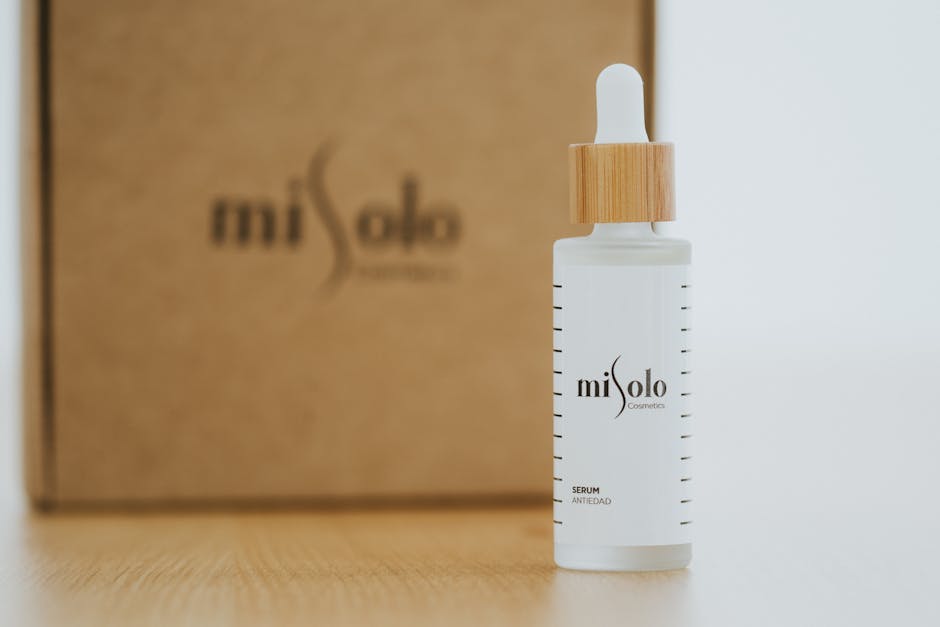
Key Ingredients to Look For
Some ingredients are absolute must-haves. I’ve been using serums with retinol and hyaluronic acid for a few months now, and let me tell you, they work wonders. Here’s a quick overview:
- Retinol: Helps with cell turnover and reduces wrinkles. It’s a derivative of vitamin A and is super effective.
- Hyaluronic Acid: Hydrates and plumps the skin. It can hold up to 1000 times its weight in water!
- Antioxidants: Fight free radicals and protect skin from damage. Vitamin C and E are popular choices.
Not gonna lie, I was skeptical about these ingredients at first, but they’ve proven their worth. Honestly, you won’t regret trying them!
Let’s dig a bit deeper into these ingredients. Retinol, for example, can be a bit irritating at first, especially if you’ve sensitive skin. I started by using it only a couple of times a week and gradually increased the frequency as my skin got used to it. Hyaluronic acid is a total lifesaver for dry skin. I apply it while my skin is still damp to lock in the moisture. And antioxidants? They’re your skin’s best defense against environmental stressors like pollution and sun damage. According to a study published in the Journal of the American Academy of Dermatology, topical antioxidants can significantly reduce the visible signs of aging caused by sun exposure. JAAD
How to Choose the Right Serum
Choosing the right anti-aging serum can feel overwhelming. Here’s what I suggest:
- Identify your skin type. Is it oily, dry, or sensitive?
- Look for ingredients that target your specific concerns.
- Test a small patch first to check for reactions.
Trust me, taking these steps can save you from some big mistakes. Seriously, it’s worth the effort!
I remember one time I bought a serum without doing a patch test, and my face broke out in a rash. It wasn’t pretty. Learn from my mistakes! Also, consider the concentration of active ingredients. If you’re new to retinol, start with a lower concentration and gradually increase it as your skin tolerates it. If you’ve oily skin, look for lightweight, oil-free serums. For dry skin, opt for richer, more hydrating formulas. And if you’ve sensitive skin, avoid serums with fragrances or harsh chemicals.
Realistic Expectations
Now, let’s talk results. Anti-aging serums aren’t magic. They take time. I’ve noticed improvements after about 4-6 weeks, but it varies for everyone. Patience is key! You’ll want to keep that in mind.
Don’t expect to wake up one morning looking 20 years younger. It just doesn’t work that way. Anti-aging serums are designed to improve your skin’s texture, tone, and overall appearance over time. Consistency is important. You need to use your serum regularly, as directed, to see results. And don’t forget the importance of a healthy lifestyle. Getting enough sleep, eating a balanced diet, and staying hydrated can all contribute to healthier, more youthful-looking skin.
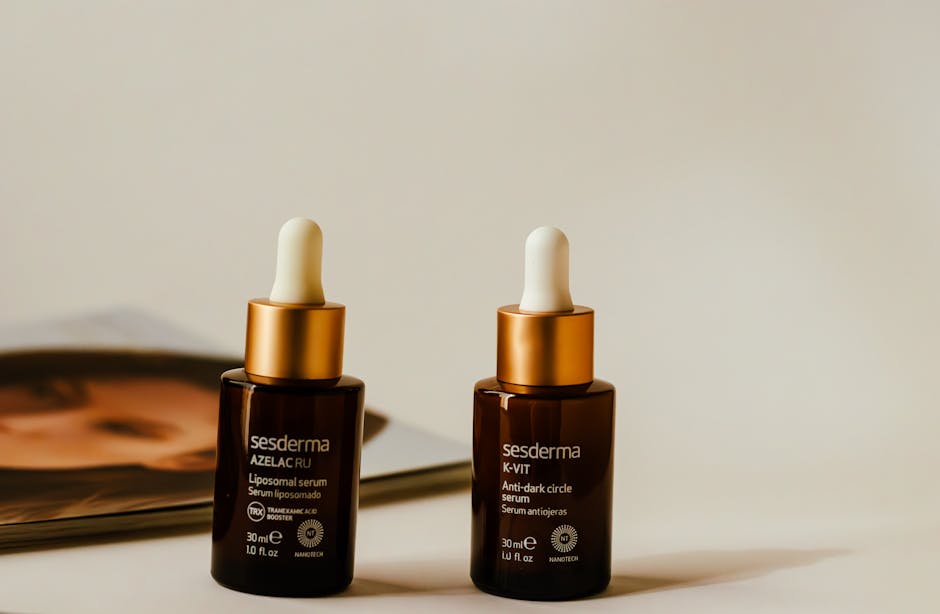
Honestly, anti-aging serums can be a great addition to your skincare routine. With the right ingredients and expectations, you can achieve smoother, more youthful skin.
Summary
To wrap it up, anti-aging serums can help revitalize your skin. Key ingredients like retinol and hyaluronic acid are necessary. Choose wisely, be patient, and you’ll see results.
Beyond the Basics: Advanced Serum Ingredients
We’ve covered the basics, but the world of anti-aging serums goes way beyond retinol and hyaluronic acid. There’s a whole universe of ingredients out there that can target specific concerns and boost your skin’s health. I’m always researching new ingredients and trying out different formulas to see what works best for my skin.
Here are a few more ingredients to keep an eye out for:
- Peptides: These are amino acids that help build collagen and elastin, which are must-have for maintaining skin firmness and elasticity. They’re like little messengers that tell your skin to produce more of the good stuff.
- Niacinamide: This is a form of vitamin B3 that can help reduce inflammation, minimize pores, and improve skin tone. It’s a powerhouse ingredient that’s great for all skin types.
- Vitamin C: We mentioned this earlier as an antioxidant, but it also has brightening properties and can help fade dark spots and hyperpigmentation. Look for stable forms of vitamin C, like L-ascorbic acid or tetrahexyldecyl ascorbate.
- Growth Factors: These are naturally occurring proteins that stimulate cell growth and repair. They can help improve skin texture, reduce wrinkles, and promote collagen production.
- Ceramides: These are lipids that help maintain the skin’s barrier function and prevent moisture loss. They’re especially beneficial for dry or sensitive skin.
It’s important to remember that not all serums are created equal. The quality of the ingredients and the formulation of the serum can make a big difference in its effectiveness. Do your research, read reviews, and choose products from reputable brands.
Integrating Anti-Aging Serums into Your Routine
So, you’ve chosen the perfect anti-aging serum. Now what? How do you incorporate it into your existing skincare routine? Don’t worry, it’s not as complicated as it sounds.
Here’s my recommended routine:
- Cleanse: Start with a gentle cleanser to remove dirt, oil, and makeup. I prefer a creamy cleanser in the winter and a gel cleanser in the summer.
- Tone: Use a toner to balance your skin’s pH and prepare it for the serum. I like toners with hydrating ingredients like hyaluronic acid or aloe vera.
- Apply Serum: Apply a few drops of your anti-aging serum to your face and neck. Gently massage it into your skin until it’s fully absorbed. Remember, a little goes a long way.
- Moisturize: Follow with a moisturizer to lock in the serum and provide additional hydration. Choose a moisturizer that’s appropriate for your skin type.
- Sunscreen: This is the most important step! Apply a broad-spectrum sunscreen with an SPF of 30 or higher every morning, even on cloudy days. Sunscreen is your best defense against premature aging. According to The Skin Cancer Foundation, regular daily use of SPF 15 sunscreen can reduce your risk of developing squamous cell carcinoma by about 40 percent, and lower your melanoma risk by 50 percent. Skin Cancer Foundation
I usually apply my serum at night, after cleansing and toning. This allows the ingredients to work their magic while I sleep. You can also apply it in the morning, before your moisturizer and sunscreen. Just be sure to choose a serum that’s compatible with your other skincare products.
One last tip: Don’t forget to exfoliate! Exfoliating once or twice a week can help remove dead skin cells and improve the absorption of your serum. I like to use a gentle chemical exfoliant, like an AHA or BHA, but you can also use a physical exfoliant, like a scrub. I’ve found this really helps my skin absorb the serum better.